Before the appointment: make the request easy to understand
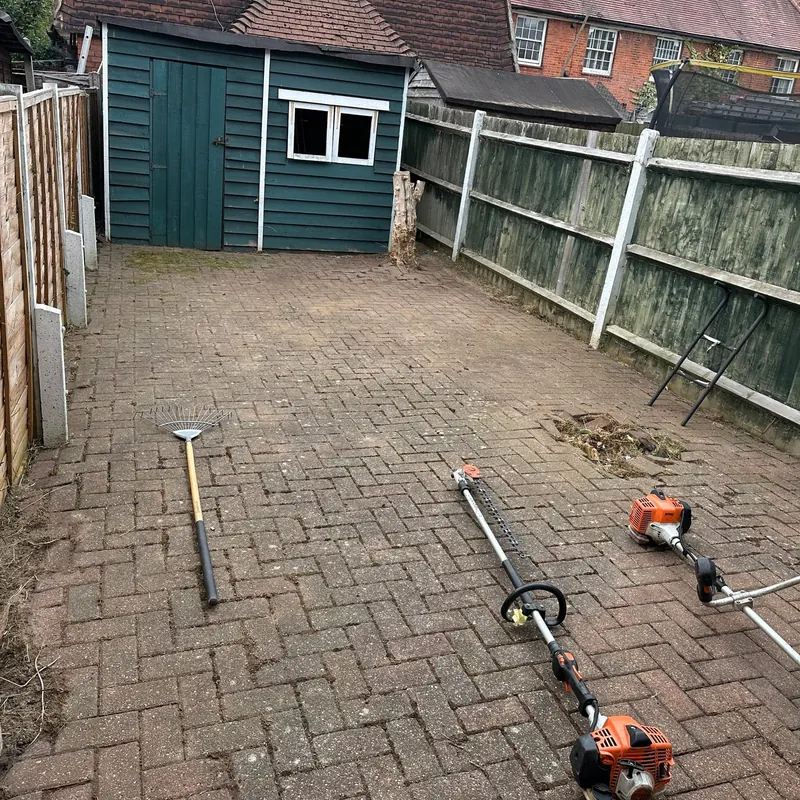
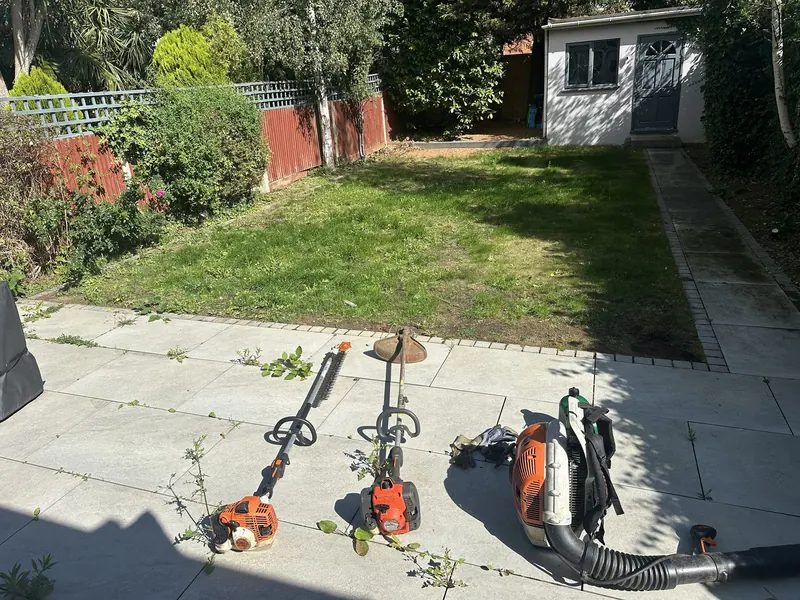
Imagine handing a short note to somebody who has never seen the property. They need to know where the garden begins, what you want changed and what you would like left alone. Start with a general view from the entrance, a view towards the far end and a closer view of the main task. Explain anything important that the camera cannot show.
A quotation conversation is not an instruction to do every visible task. Put the immediate request in a sentence: perhaps you want the central grass cut and the left bed attended to while retaining the planting beside the shed. You can discuss a larger plan later. Keeping the first request specific helps everyone distinguish the appointment being considered from ideas still being explored.
Between the quotation and the visit: settle practical arrangements
Once you have the written details, check the proposed work against your original request. Look at the tasks and the handling of material, rather than only the appointment date. If the garden has changed since the photographs, send an update. A newly blocked entrance or an extra pile of vegetation belongs in that conversation before arrival.
Decide who can answer questions during the appointment. If you will be elsewhere, agree how that person can be contacted and what decisions they can make. Pass entry instructions through a private conversation. The general job description should not contain door codes or unrelated personal details. The useful preparation is a shared understanding of the work and the route into it, rather than an assumption that somebody on site will resolve every uncertainty.
At the entrance: show the route before unloading
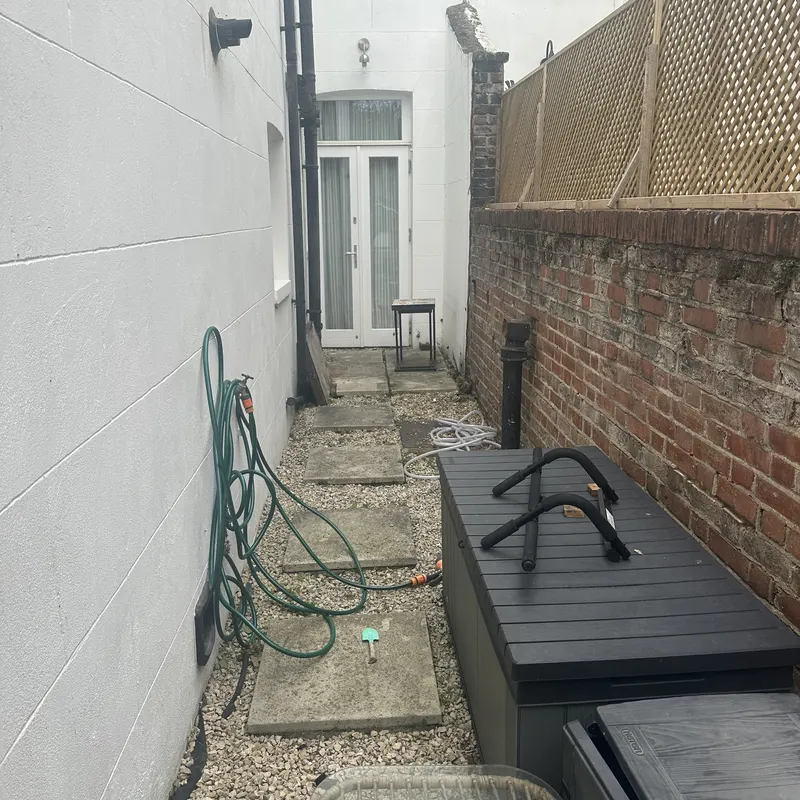
Meet at the agreed access point if you are available. Show how the garden is reached and explain any feature that was not obvious in the enquiry: a step behind a door, a narrow turn or a passage shared with another household. Point out the place where tools may be set down without obstructing the normal way through.
There is no need to prepare a polished garden for a gardening appointment. Move ordinary personal belongings where practical and identify anything that cannot be moved. If an object or section of ground is uncertain, explain that before equipment is taken through. The visit should begin with the actual conditions, including awkward details, rather than a version of the space made to look simpler in the original request.
At the work area: connect the written scope to real places
Walk through the tasks using physical landmarks. Refer to the bed beneath the window, the grass beyond the patio or the hedge beside the gate. Identify plants and objects that are to remain. A small marker can help distinguish a planted area from surrounding growth, particularly where everything is close together.
Ask where the work will finish if the agreed time is used before every optional task is reached. This is a decision about priorities, not a request to rush. If a new issue becomes visible, discuss its effect on the plan before adding work. The value of this opening conversation is that the quotation becomes a set of recognisable areas rather than a broad description that different people interpret in different ways.
During the work: use checkpoints rather than constant changes
Let the agreed sequence guide the appointment. If you change your mind about an area, speak to the team before it is altered. A useful checkpoint might be after the main lawn task or once a particular bed can be seen clearly. It gives you a chance to discuss the next decision without repeatedly interrupting work already understood.
Avoid giving different instructions through several people. If a family member or property manager is present, establish who speaks for the booking. Keep additions separate from the original task list. You can decide to continue, defer an area or ask for another quotation, but that decision should be explicit. A garden visit becomes difficult to review when the scope changes gradually without anyone recording what has been added or left for another day.
Before material leaves: check the collection arrangement
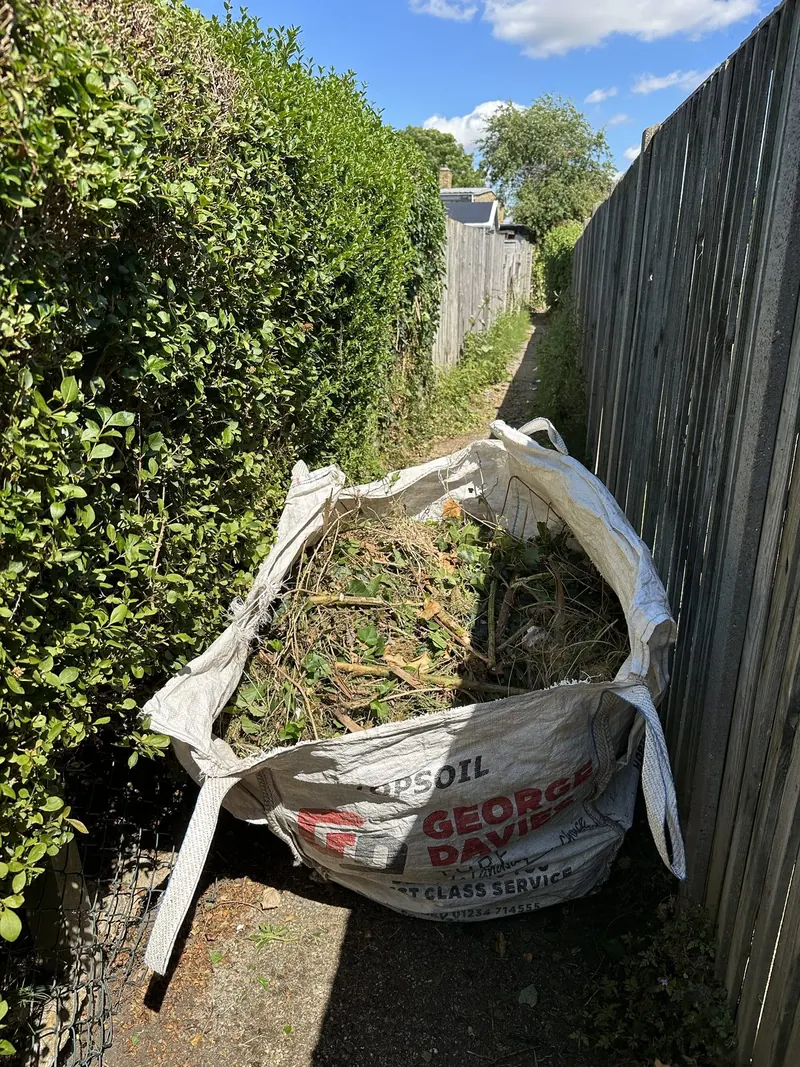
Cuttings may be gathered on the property or included in a separately agreed collection. Confirm which arrangement applies and where any retained material belongs. Keep mixed rubbish distinct from vegetation so that the contents can be described accurately. A clear collection point also makes the end-of-visit check easier.
When passing household waste to a private collection business, check registration as explained in GOV.UK’s household waste guidance. The Environment Agency register is the official lookup. A gardening visit and a waste collection are linked decisions, but one should not be assumed to include the other. Read the separate waste preparation tool if you need help describing the material before discussion.
At the finish: review results without losing the next step
Return to the places named in the opening walk-round. Look at what was completed, what was intentionally retained and what needs another decision. Ask about an area that remains unclear while everybody can still refer to the same view. This is more useful than judging the whole garden against an imagined finished appearance that was never part of the appointment.
Write a short next-step note if further care is being considered. It might identify one border for a later visit or a separate problem requiring assessment. Avoid turning that note into another indefinite instruction. For a repeat routine, use the explanation of ongoing care; for the first decision about scope, try the maintenance-or-clearance quiz. A useful finish leaves you knowing both what happened and what remains undecided.
Questions for this page
Does the opening walk-round replace the quotation?
No. It connects the written work to the areas on the ground and gives you a chance to clarify changes before they become extra tasks.
Must somebody stay beside the team all day?
Discuss contact and decision arrangements before the appointment. The important point is that questions have a clear route to an answer.
What if the photographs did not show an obstacle?
Describe it as soon as it becomes known. The effect on access or the work should be considered before the relevant section proceeds.
Is every cutting automatically taken away?
Only the collection arrangement in the quotation applies. Confirm where material is gathered and whether it is retained or removed.
Where can I prepare a short brief?
Use Garden check to organise the basic details, then review them before continuing to the main quotation page.
Examples from garden visits