
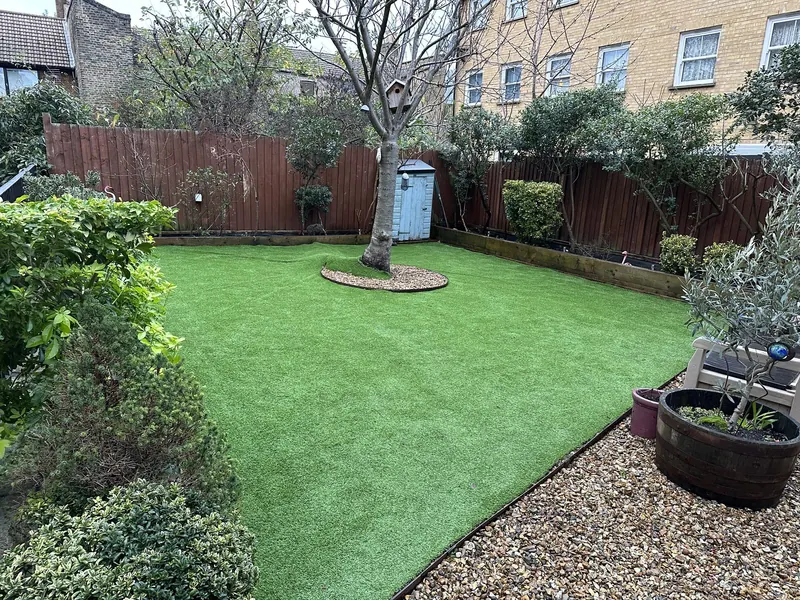
Why does artificial grass need a care routine?
An artificial lawn does not grow, but material still lands on it. Leaves, soil from pots and everyday debris can build up around furniture and edges. Begin by finding the product and installation instructions, because different products have different requirements. Keep those documents with the installer’s details rather than relying on general advice for every type of surface.
Think about the lawn as a complete installation. The visible fibres, seams, edges and material beneath all affect how it behaves. A tidy appearance does not tell you whether every part is in good condition. Make a short routine for observation and light care, and note any change that needs a closer assessment. This guide covers everyday decisions rather than promising that a particular cleaning method suits every artificial lawn.
How should you remove leaves and loose debris?
Start gently and test the approach in a small, unobtrusive area. Use tools compatible with the manufacturer’s instructions. The aim is to gather loose material without pulling fibres, opening a join or moving loose infill. If the installation includes infill, understand what it is before using suction or a powerful blower that might shift it.
Check the perimeter and spaces beneath chairs, play equipment and plant containers. These areas can hold material while the centre looks clear. Work towards a collection point that does not force everything into a seam or against a raised edge. Lift litter separately rather than sweeping it into garden waste. A little regular attention is easier to organise than a large clean once the surface is covered and its edges are difficult to see.
Does the pile need brushing?
Some products benefit from a suitable brush used in the direction and manner specified for that product. Others have different maintenance needs. Check the instructions before buying an attachment or borrowing equipment intended for another surface. The fact that a brush is stiff does not make it appropriate for the fibres or the installation beneath them.
If furniture has compressed an area, move it where practical and inspect before attempting to restore the appearance. Record whether the issue is flattened pile, accumulated dirt or an actual change in level. Those are different problems. Do not keep increasing force when a gentle approach fails. A short description and clear image can help an installer distinguish routine care from something that needs an assessment of the fitting.
How should everyday spills be handled?
Remove loose solids carefully and refer to the manufacturer’s cleaning instructions for the remaining mark. Avoid experimenting with strong products or mixing cleaning agents. A treatment recommended for stone paving is not automatically suitable for fibres, backing or adhesives. Keep a record of anything applied so a later assessment starts with useful information.
Where the instructions allow water, consider where it will go and avoid pushing dirt into an edge or surrounding planting. Do not assume that a more forceful jet gives a better result. The condition of seams and the product’s care requirements matter. If a mark remains, seek advice before repeating treatment. This guide makes no claims about removing every stain, disinfecting a lawn or making a surface suitable for a particular health-related purpose.
What should you notice after heavy rain?
Observe whether water behaves differently from the lawn’s usual pattern. Note the position, approximate extent and duration of any standing water. Check only what is visible from normal access; do not pull up edges or dismantle the installation to investigate. A useful record describes what changed and when, rather than assuming the visible surface is the sole cause.
Compare the affected area with nearby pots, planting beds and downpipes. Soil or debris entering from an adjacent area may need attention, but clearing the top does not establish what is happening below. If a problem persists, ask for an assessment of the installation and surrounding drainage. Avoid promising yourself that another wash will correct a changed level or an issue beneath the lawn. Cleaning and repair should be considered separately.
What can protect edges and surrounding areas?
Keep loose soil from containers away from the perimeter where possible. When moving furniture, lift rather than drag where practical and follow the product’s guidance about loading. Inspect places where the artificial surface meets paving or a bed. A newly lifted edge or opening seam deserves attention before it becomes part of normal foot traffic.
Do not attach fixings or attempt a repair without understanding the original construction. Photograph the area and ask the installer or an appropriate specialist what is needed. If you are changing nearby planting or paving, explain that an artificial lawn adjoins the work. Planning the junction beforehand is more useful than discovering afterwards that soil levels, a new edge or the route for equipment have changed how the lawn sits.
When does it make sense to ask for help?
Ask when routine debris removal is no longer enough, you cannot identify the product, or visible damage makes a cleaning method uncertain. Describe whether your concern is dirt, flattened fibres, staining, a seam or standing water. Include the age of the installation if known and any previous cleaning. That gives the assessment a clearer starting point than a request to make the lawn look new.
The main website separates artificial-grass cleaning enquiries from installation work. Explain the existing lawn rather than requesting a pressure setting. A quotation should identify the proposed method, limitations and access needs. Keep the manufacturer’s instructions available during that conversation. Care should fit the product you have, and any unresolved repair should be understood before a cleaning appointment is treated as the solution to every visible problem.
Questions about this guide
Is artificial grass maintenance-free?
No. It still collects debris and needs observation and care appropriate to the product and the way the garden is used.
Can I use any stiff broom?
Check the product instructions first. Bristles and force that suit paving may be unsuitable for fibres, seams or loose infill.
Should I pressure wash the lawn myself?
Do not assume that pressure washing is suitable. Confirm the manufacturer’s guidance and the installation’s condition before choosing a cleaning method.
Will cleaning fix a lifted seam?
Cleaning and repairs are different. Record the visible damage and ask for an assessment before work that could disturb the area.
Are antibacterial or pet-treatment promises included?
No. This guide makes no such claims. Discuss any specific concern with an appropriate provider and check the product’s own care requirements.
Read next
6 min read
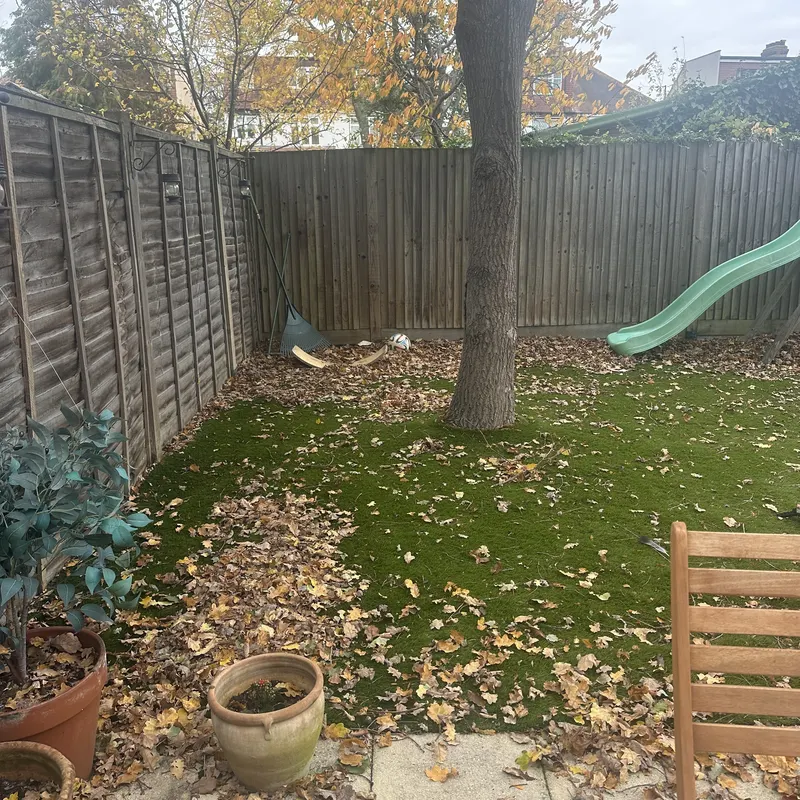
Leaf Clearing: Lawns, Beds and Paths
Decide which leaves need lifting, where a lighter touch suits planted beds and how to organise collection or leafmould without moving the same pile twice.
Open guide →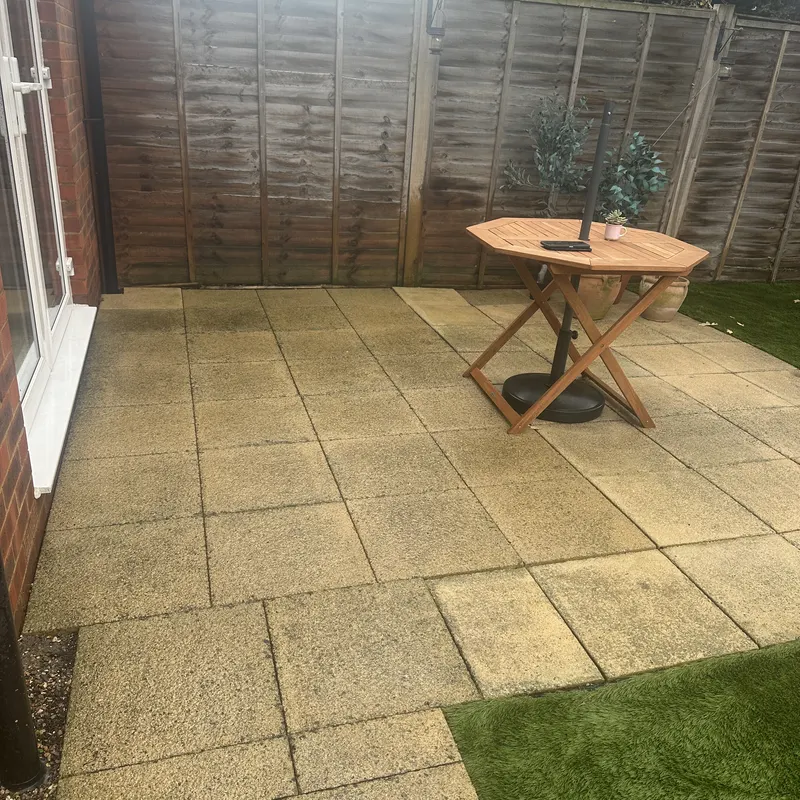
6 min read
Moss and Algae on Paths and Patios
Look beyond a green surface: understand where moisture collects, separate cleaning from repair and decide what a useful assessment should include.
Open guide →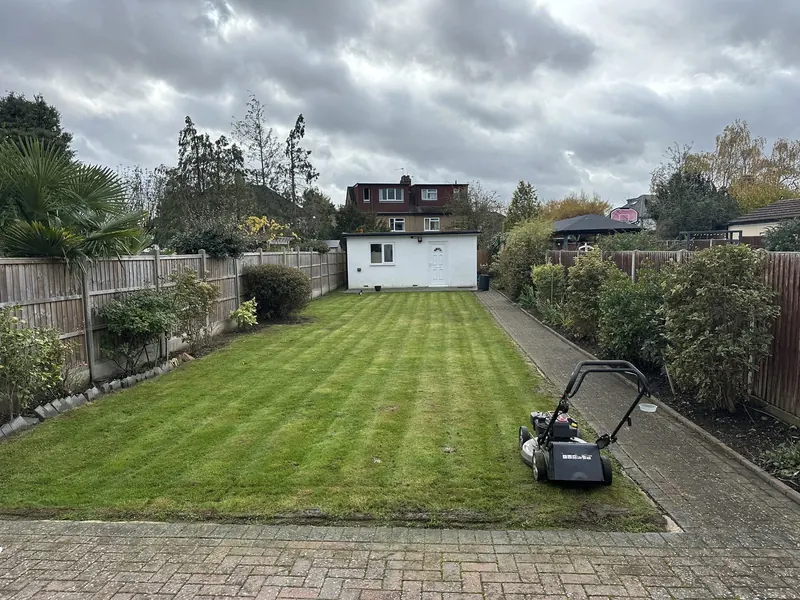
6 min read
Lawn Care Calendar for London Gardens
Plan lawn care around growth, moisture and use. Learn when a cut, a simple repair or a change of routine makes more sense than doing everything at once.
Open guide →