
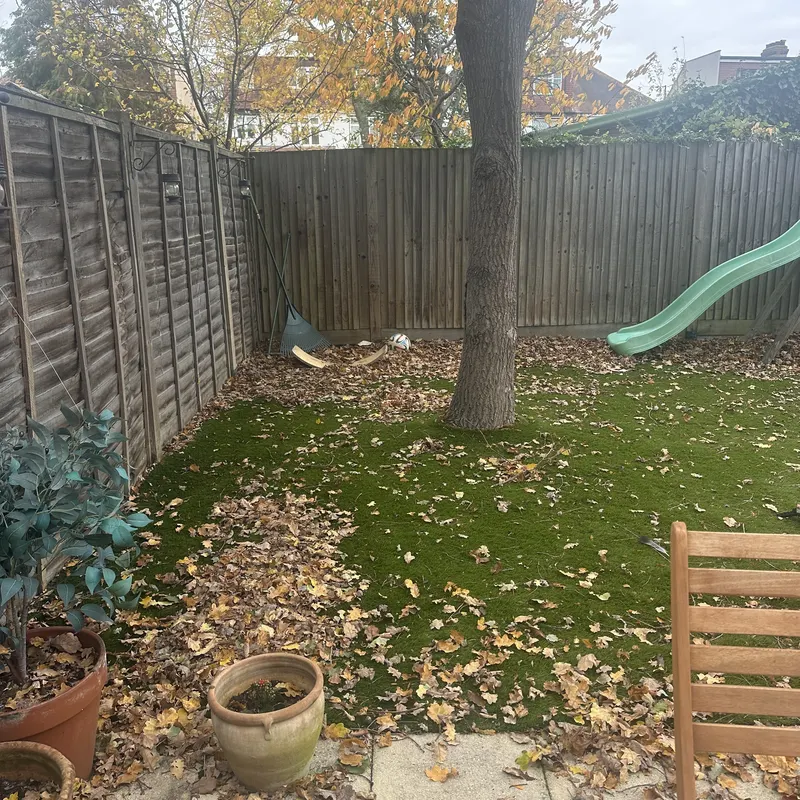
Do you need to remove every fallen leaf?
No. The right decision depends on where leaves land and how that part of the garden is used. A route to the back door has a different purpose from a quiet corner behind established planting. Start with the surfaces that need to remain usable, then consider the lawn and beds separately. This avoids treating the whole garden as one area that must be swept bare.
Walk your usual route and notice where material collects. Corners beside fences, steps and the base of furniture can hold a surprising amount. Make a small plan before gathering begins. Decide where leaves will finish up, because a temporary heap in the wrong place can simply move back across the garden in the next wind or block access while you decide what to do with it.
Why should lawns receive a different approach from beds?
Accumulated leaf cover can prevent light reaching grass. The RHS November lawn advice recommends lifting fallen leaves from lawns and describes options for using them elsewhere. Look for a layer that is settling across the grass rather than worrying about every individual leaf. Choose suitable ground conditions so collecting does not create more disturbance than the leaves themselves.
In planted beds, first look at what lies beneath. Small emerging plants, low-growing foliage and labels can be hidden. Work around them selectively rather than dragging everything towards the nearest edge. If you want leaves retained in part of a bed, identify that area before somebody starts clearing. A clear distinction between working surfaces and planted areas makes the task quicker to explain and easier to maintain afterwards.
Which tools and sequence keep the task practical?
Match the tool to the surface and the amount of material. A lawn rake, hand brush and larger broom have different uses. Start with corners and narrow places, then gather towards an agreed collection point. Keep the route to that point open. If you are arranging help, describe gravel, decorative mulch and loose edging so the approach can avoid moving those materials with the leaves.
Work in sections that you can finish rather than spreading partly gathered piles throughout the garden. Small containers can be useful where a large bag would block a path. Check that gathered material is actually leaves rather than a mixture of litter, stones and plant labels. Separating those items during the task is usually easier than trying to find them once everything has been pressed together into a single load.
What is leafmould, and does it suit your space?
Leafmould is the material produced as leaves decay. The RHS leafmould guide describes how to collect and use it, including the different rates at which leaves break down. It is a gradual process, so choose somewhere the material can remain without obstructing normal garden use. Think about access as well as appearance.
For a small garden, decide whether you have a genuinely useful storage area before keeping every leaf. A container that is constantly moved between the patio and the shed may create more handling than you want. You can retain a manageable amount and arrange another route for the rest. Keep the system simple enough to continue next year. The best choice is one that fits the space and the time you have available.
How should council collection or private removal be arranged?
Read your council’s current instructions for accepted contents, containers and presentation. Collection arrangements vary, so do not assume that a neighbour’s experience applies to your address. Keep leaves separate from household litter and describe any mixed material if you ask for a private collection. A pile that looks green from above may contain items needing a different route.
For household waste passed to another person, follow the official disposal checks and use the waste-carrier register where applicable. Agree whether a gardening appointment includes gathering only or also collection. Those are distinct parts of the job. Choose a holding area that leaves gates, shared routes and the entrance clear while material awaits its agreed next step.
How often should you clear leaves during autumn?
Base the interval on where leaves are falling and the use of the surface. A path used several times a day may need attention before a less-used corner. Expect the work to recur while nearby trees are still shedding. Waiting for the last leaf can leave important surfaces covered for too long, but clearing the whole garden after every small fall may be unnecessary.
Notice the pattern after wind and rain. That can help you identify the few places that deserve a short check between larger sessions. If you book help, explain whether you want an interim clearance or a more thorough visit after most leaves have fallen. A simple timing decision can prevent disappointment when new leaves arrive soon after an otherwise useful appointment. The garden is changing throughout the season, and the plan should allow for that.
What should remain on your checklist after the leaves are gone?
Inspect the surfaces you can now see. A previously hidden joint, uneven edge or crowded bed may need a separate decision. Leaf clearing reveals those issues but does not repair them. Record anything that deserves a later quotation, and keep the current job focused on the scope already agreed rather than adding unrelated work informally.
Review whether your collection point worked well. If you carried every bag through a cramped route, a different temporary position might help next time. Think about furniture placement and the space beneath shrubs that repeatedly traps material. Small adjustments can make the seasonal routine easier without changing the garden’s character. Keep the plan for the following autumn, including the areas where you intentionally left some leaves rather than trying to remember every detail a year later.
Questions about this guide
Should all leaves come out of planted beds?
Decide bed by bed. Look at the plants beneath and the result you want, rather than applying one rule across every planted area.
Can leaves go into my normal garden collection?
Check your council’s current accepted-material and container instructions for your own address before filling bags or bins.
Is leafmould ready straight after collecting?
No. It develops through decomposition and needs an appropriate place to remain. Read the linked RHS guidance before setting up your system.
Will one visit keep paths clear all season?
Further leaves can fall after the visit. Agree whether you need an interim session, a later clearance or occasional checks between them.
Can leaves be cleared from artificial grass?
Yes, with an approach appropriate to the product and installation. Avoid tools or settings that could disturb fibres, edges or loose infill.
Read next
6 min read
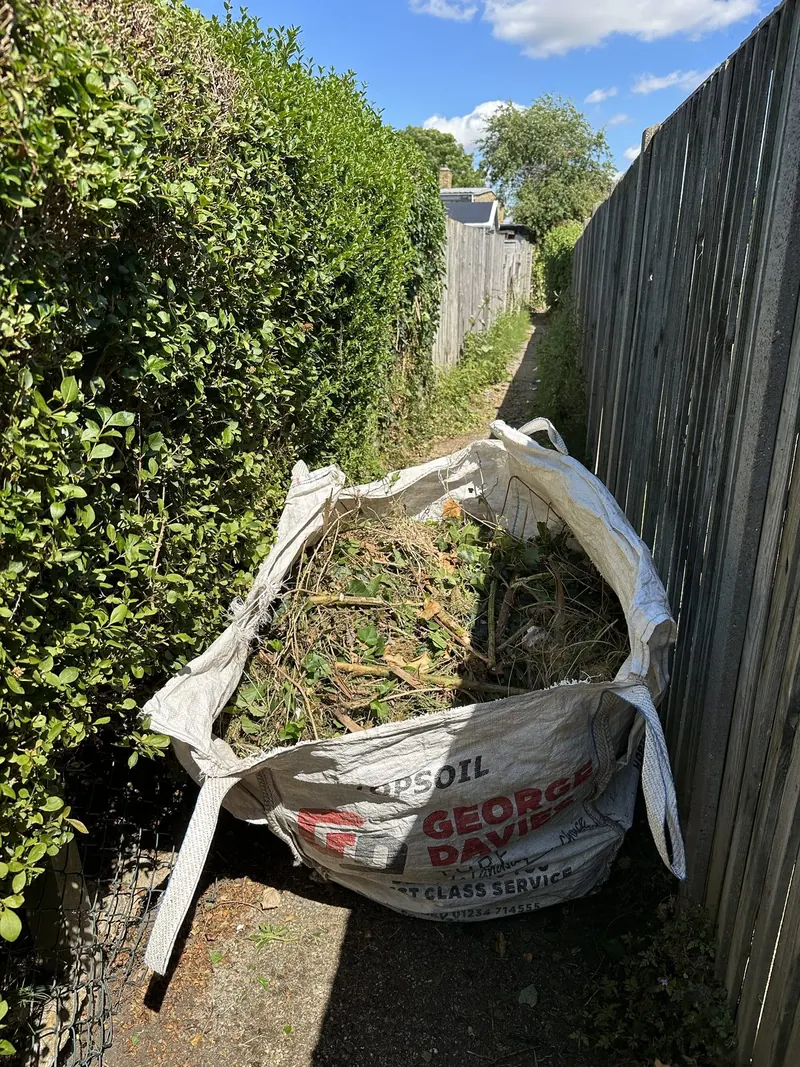
Garden Waste: Where It Goes
Choose a route for cuttings before work begins. Understand the difference between keeping material, council collection and a registered private collection.
Open guide →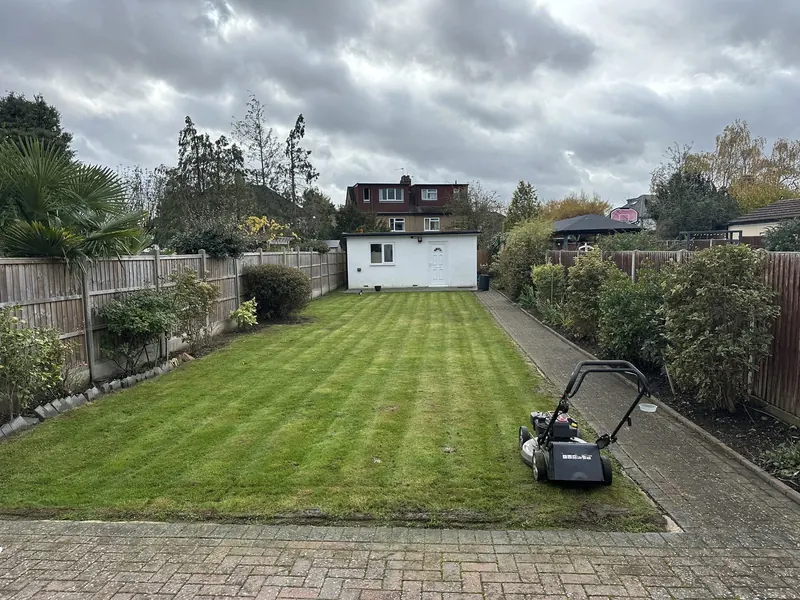
6 min read
Lawn Care Calendar for London Gardens
Plan lawn care around growth, moisture and use. Learn when a cut, a simple repair or a change of routine makes more sense than doing everything at once.
Open guide →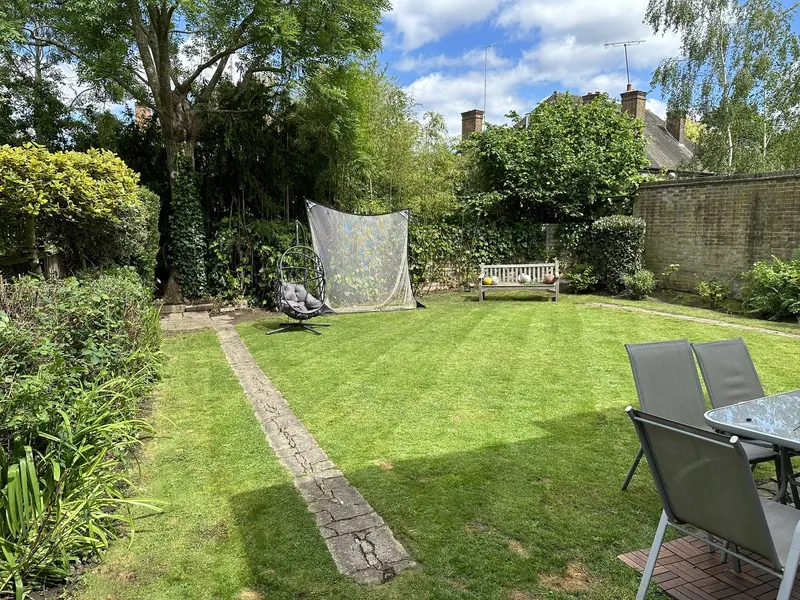
6 min read
Winter Garden Jobs in London
Use December, January and February to observe your garden, keep everyday routes usable and prepare a realistic spring plan without forcing unsuitable work.
Open guide →