
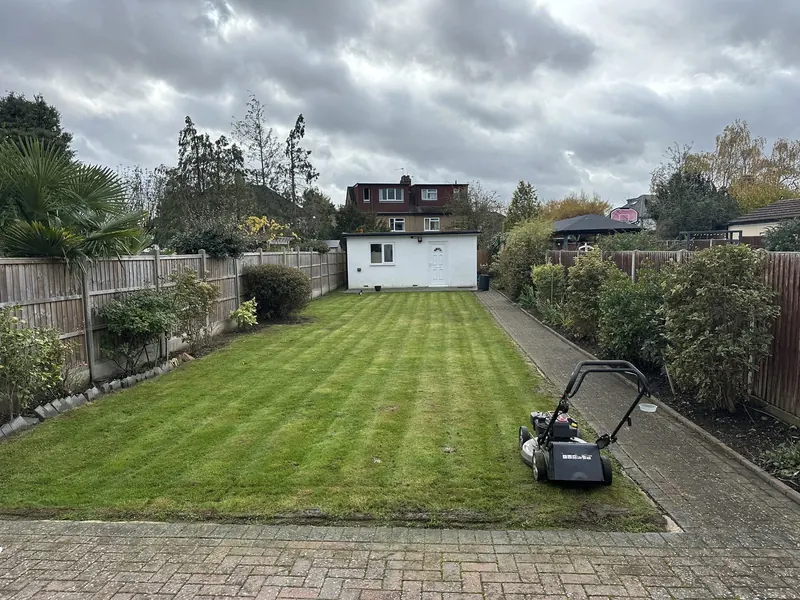
What should a lawn calendar help you decide?
A useful calendar helps you decide what the grass needs today. It should not turn every month into a shopping list of treatments. Start by describing the lawn you want: a practical family surface, a relaxed mix of grass and flowers, or a carefully maintained ornamental area. Those aims lead to different routines and different expectations about appearance.
Draw a simple plan showing shade, heavily used routes and any place where water remains after rain. Revisit those areas through the year. If a patch fails repeatedly, the cause matters more than the month in which you notice it. Keep a note of mowing, repairs and changes in use. This creates a record that helps you distinguish recurring conditions from a temporary setback.
How do you restart mowing in spring?
Wait for suitable ground and grass conditions rather than choosing a fixed weekend. Check for objects before cutting and start cautiously after a long gap. The RHS mowing guide recommends a high first cut and removing no more than one third of the grass height. It also advises avoiding wet or frosty grass.
Think of the first few cuts as a gradual return to your preferred height. Do not try to correct every untidy edge and bare patch during the same session. Walk around afterwards and decide which details deserve attention next. In a small garden, the route used to turn equipment may be the most worn area. Leaving enough space at the ends can make routine cutting easier and reduce awkward manoeuvres.
What does mowing height mean in practice?
The appropriate setting depends on the kind of lawn, the season and its condition. For an ordinary domestic lawn, the RHS describes roughly four centimetres in spring and autumn and about two and a half in summer, with adjustments for conditions. These are reference points rather than a demand to shorten stressed or struggling grass. Check the mower’s settings instead of judging the cut solely by appearance.
Decide whether your household actually needs a very short finish. A lawn used for play may be better served by a practical routine than by chasing an ornamental appearance. Explain that preference when arranging help. Take particular care when returning after a holiday: several measured cuts can be more sensible than one severe reduction. The useful question is how to resume a manageable routine without treating the lawn as though growth had stopped while you were away.
How should summer change the plan?
Look at growth before deciding whether another cut is needed. Dry periods can change the routine, and a calendar reminder is not a reason to cut by itself. Keep track of the areas that receive the most use and consider moving lightweight furniture occasionally where practical. Notice whether the same narrow route is being worn away every week.
Before feeding, identify the product, purpose and application instructions. Do not add another treatment simply because a previous application did not produce the appearance you expected. Ask whether the issue is wear, shade, moisture or something else. If you want professional advice, describe what has already been applied and when. A record of products and dates is more useful than a general statement that the lawn has been treated several times.
When are repairs worth considering?
The RHS lawn-repair advice identifies spring and autumn as useful periods for patch repairs when conditions support establishment. Before ordering seed or turf, work out why the gap appeared. A chair left in one place, repeated foot traffic and a shaded corner should not automatically receive the same response.
Measure the affected area and decide how it can be kept clear while it establishes. Consider whether an alternative route is available for pets, children or the bin journey. If the household cannot avoid crossing a repair, change the plan before starting. A small patch that is allowed to establish can be more worthwhile than repeated attempts over a larger area that remains in constant use. Discuss the aftercare before agreeing to the work.
What belongs in an autumn lawn review?
Look back at the areas that struggled during summer. Separate cosmetic unevenness from problems that affect use or repeat each year. Lift accumulated leaves where they are covering grass, and decide whether you have somewhere to keep them. Keep border plants from obscuring the edge so you can see where the lawn ends without repeatedly cutting into planting.
Discuss renovation tasks as individual decisions. Scarifying, aerating and feeding are not interchangeable words for making a lawn better. Ask what problem each proposed task addresses and what recovery or aftercare it needs. If access is restricted or the lawn is small, that may affect the equipment and approach. Keep the proposed sequence in writing so the follow-up care does not get lost once the immediate work is finished.
How should you treat the lawn in winter?
Make access the first consideration. If a route becomes muddy, think about how people can reach the shed without repeatedly taking the same shortcut. Avoid unnecessary disturbance when the surface is unsuitable. Winter also reveals whether furniture, storage or a poorly positioned path is making lawn care harder than it needs to be.
Use quieter weeks to review the year’s pattern. Which cuts were missed? Which tasks were easy to manage yourself? If outside help would be useful, describe the routine rather than requesting a collection of treatments without diagnosis. For a persistent wet patch, ask for an assessment before promising yourself that another cut or another bag of product will solve it. A calendar is most valuable when it leads to better observation and proportionate decisions.
Questions about this guide
Must I cut every week in summer?
Follow growth and conditions rather than a rigid interval. A dry spell can change the need for mowing considerably.
Should the first spring cut be very short?
Start with a higher setting and reduce gradually if appropriate. Avoid removing a large proportion of the blade in one cut.
Can I repair a worn route repeatedly?
First consider how people use that route. Repairs struggle if the cause remains and the area cannot rest while new growth establishes.
Does every lawn need autumn renovation?
No. Choose tasks to address an identified issue, with the right timing and aftercare, rather than applying the same package automatically.
What should I tell a gardener about previous treatments?
Give product names, dates and any visible response. That helps prevent overlapping work and makes an assessment more useful.
Read next
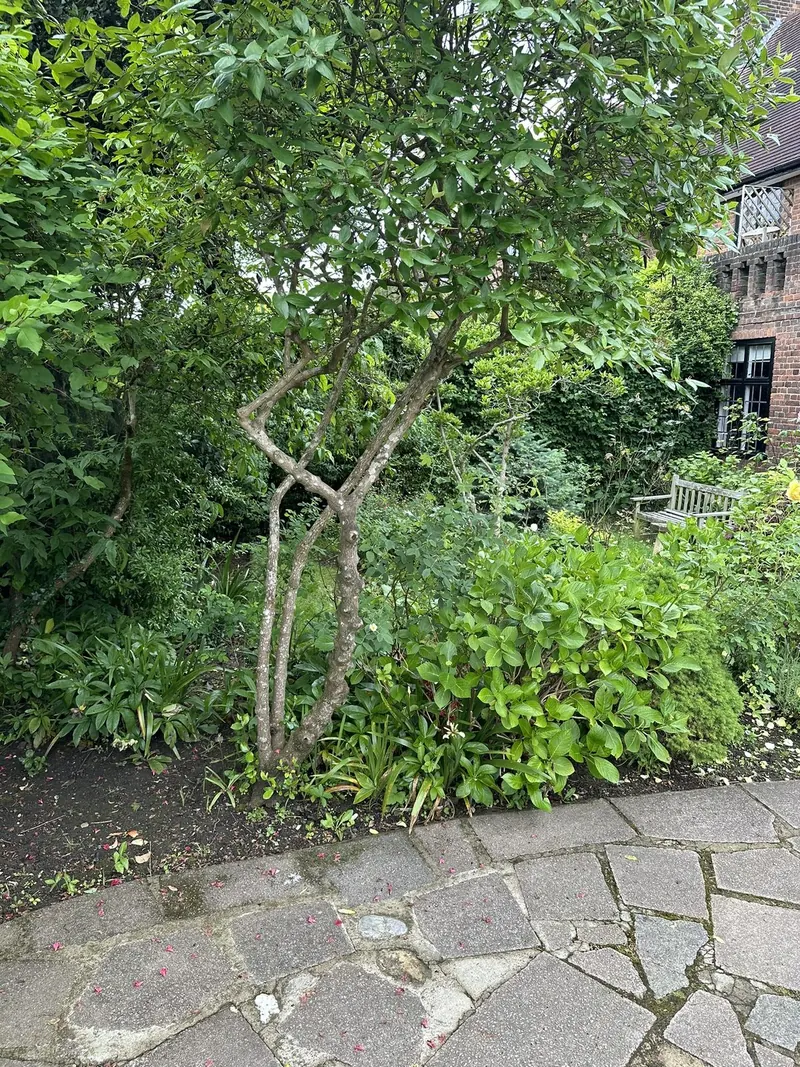
6 min read
Garden Maintenance Checklist by Month
A year-round planning notebook for London gardens: what to observe, which jobs to consider and how to adapt the calendar to your own space.
Open guide →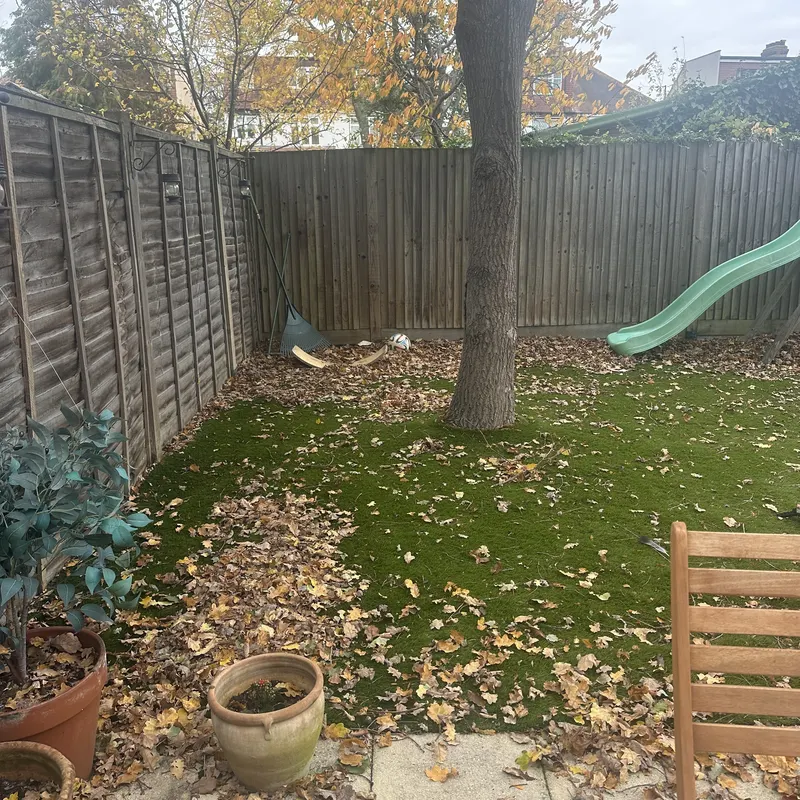
6 min read
Leaf Clearing: Lawns, Beds and Paths
Decide which leaves need lifting, where a lighter touch suits planted beds and how to organise collection or leafmould without moving the same pile twice.
Open guide →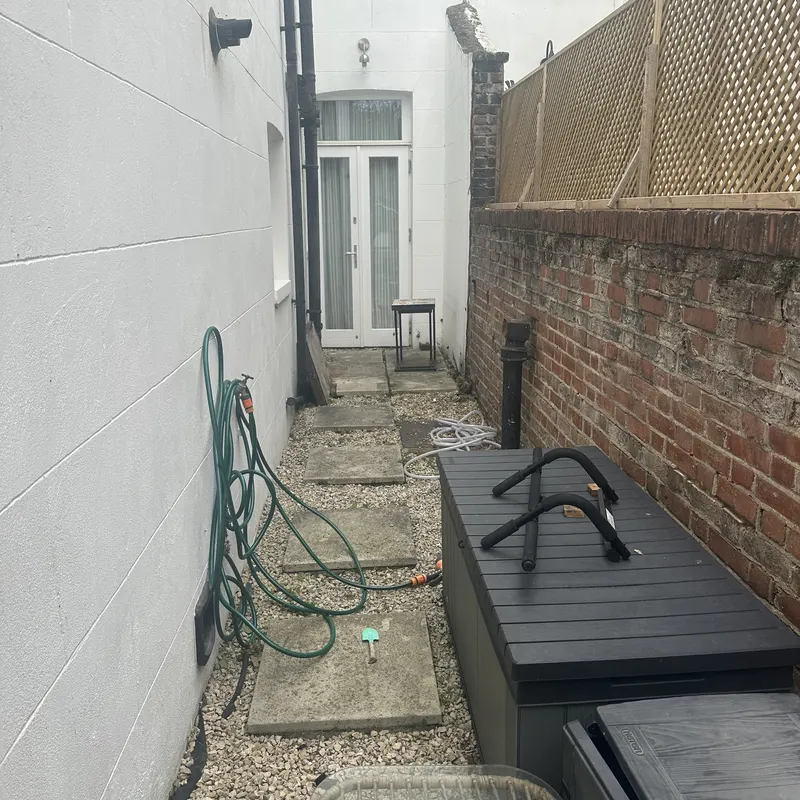
6 min read
Weeding Borders and Paths
Learn to recognise different weed habits, choose a practical approach for beds and paving, and plan repeat visits without disturbing plants you want to keep.
Open guide →