
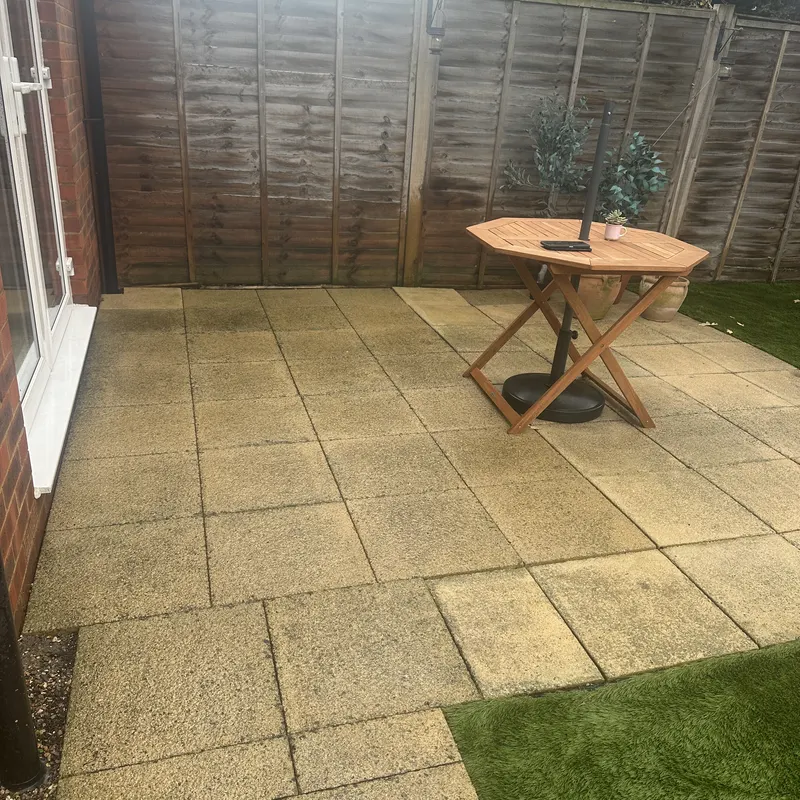
Why does one part of a path turn green first?
Begin by observing the pattern. Is growth concentrated beside a wall, beneath furniture or where a pot drains? Does the same area stay damp after the rest has dried? The RHS advice on growth on hard surfaces explains the importance of moisture and shade. A pattern is useful evidence, but it does not establish the condition beneath the paving.
Take a general photograph and mark the area on a simple sketch. Record whether it changes through the year or follows a recent alteration, such as a new container position. Avoid deciding that every green mark needs the same treatment. Different surface materials, growths and installation conditions call for different questions. A measured assessment starts with where and when the issue appears, rather than immediately choosing the strongest cleaning method available.
Do you need to remove growth everywhere?
Distinguish a decorative surface from a regularly used route. The RHS notes that these growths can make surfaces slippery. Prioritise the places people need for normal access rather than chasing a completely uniform colour throughout the garden. If a route feels uncertain, avoid using it until it can be assessed and addressed appropriately.
A quiet corner and the steps outside a back door serve different purposes. Decide what result you want in each area and explain that when requesting help. Cleaning should be linked to a practical need, such as improving a frequently used path, rather than a promise that every natural mark will disappear. This also makes it easier to agree a sensible scope when different materials meet around the same patio.
What should you inspect before arranging cleaning?
Identify the surface if possible: concrete, natural stone, porcelain, block paving and timber have different care requirements. Look at joints, edges and any visibly loose pieces from normal access. Describe the condition without lifting slabs or dismantling features. An unstable surface needs a separate assessment rather than simply a more thorough clean.
Mention earlier products and methods if you know them. A surface that has changed after previous treatment deserves a careful conversation before anything is repeated. Keep photographs of the original condition and the agreed work. Ask whether a small test area is appropriate and what limitations apply. The useful result is an agreed method for the actual material, rather than a generic instruction to pressure wash everything within the garden boundary.
When is simple routine care worthwhile?
Regularly gathering leaves and loose debris can make the surface easier to inspect and maintain. Brush with a tool appropriate to the material and its condition. Move portable items where practical so material does not remain hidden beneath them. Follow the surface manufacturer’s guidance rather than assuming that a tool suitable for the driveway also suits a timber or delicate paved area.
Think about the routine after cleaning as well. If a container continually sheds compost onto the same patch, adjusting its position may make maintenance easier. Keep the junction with planted beds visible so you can notice soil and debris spreading out. These small practical changes do not promise to prevent all future growth, but they can help you understand the surface and reduce the amount of accumulated material that needs handling at the next visit.
What does a cleaning quotation need to explain?
Ask which surfaces are included, the proposed method and the expected limitations. Discuss access, moving furniture, water and power arrangements and where work will stop. A description of cleaning should not quietly imply repairs, new jointing or a completely restored appearance unless those tasks have been separately specified and assessed.
For LookDeVis pressure-washing enquiries, customer water and power are needed; confirm the available connections with the quotation. Explain the distance from the supply to the work area and any restrictions on routing equipment. Do not choose a method solely by the equipment name. Ask how the proposed approach suits the material and current condition. Keep repair questions and the treatment of adjoining planting explicit so the visit has a clear, reviewable scope.
Why can green growth return after cleaning?
The conditions around the surface continue after the visible layer is removed. A shaded, damp section may need a different maintenance interval from an open, sunny area. Keep a note of how quickly the pattern returns rather than assuming one clean will change the garden’s exposure. Return can be a reason to review the setting and routine, not simply repeat a harsher method.
If water remains in the same position, request an assessment before deciding that cleaning is the answer. The cause may involve levels, drainage or another condition requiring separate work. Do not cut established planting just to increase light without considering the plant and relevant permissions. When a protected tree might be involved, use the official council application route to establish the appropriate checks before work is arranged.
What information helps you decide the next step?
Describe the surface, approximate area, pattern of growth, recent changes and normal use. Include any visibly loose or damaged sections and previous treatment. Decide whether your immediate goal is a clearer access route, a general appearance improvement or an investigation into a recurring wet patch. Those are different starting points for a quotation.
Keep the final decision proportionate. A surface may need a modest clean, a change in routine or a repair assessment. Ask for those options to be explained separately where relevant. After work, compare the result with the agreed expectation and keep the care instructions. A useful outcome includes understanding what the cleaning addressed and what remains to be watched, rather than an assumption that the same appearance will last indefinitely without further attention.
Questions about this guide
Does every green patch mean the paving is damaged?
No. Appearance alone does not establish the underlying condition. Inspect visible joints and edges and ask about any loose or altered areas.
Is pressure washing suitable for every patio?
No single method suits all materials and conditions. Confirm the surface type, manufacturer guidance and proposed approach before arranging work.
Does cleaning include repointing?
Only if separately specified and agreed. Cleaning, replacing joint material and repairing paving are distinct tasks.
Will the surface stay clear permanently?
No permanent result is promised. Shade, moisture, debris and use continue to affect the surface after cleaning.
What should I send with an enquiry?
Describe the material and area, show the overall surface and mention damage, earlier treatment, access and available water and power.
Read next
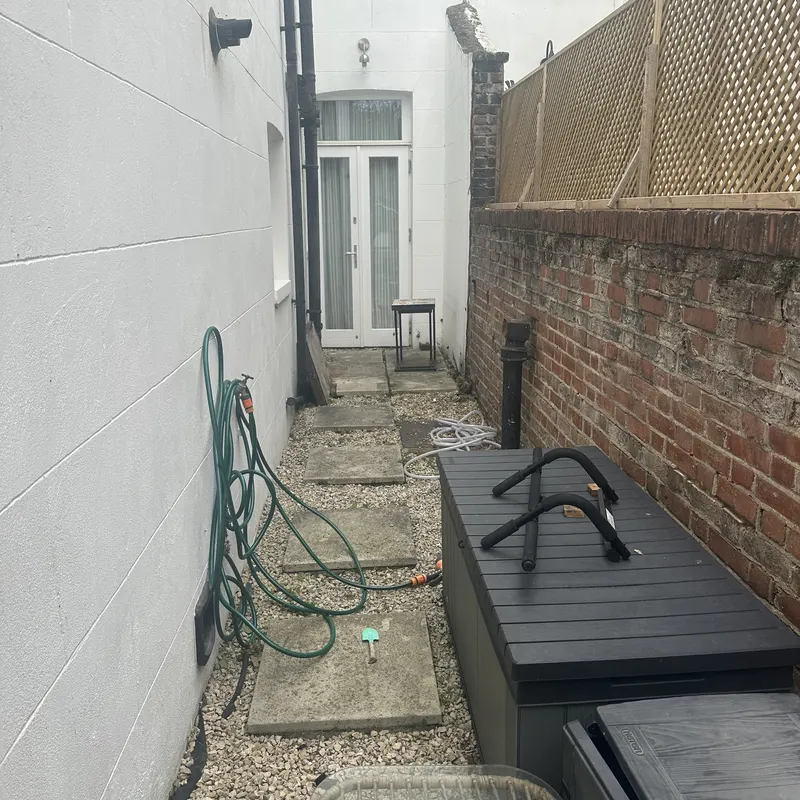
6 min read
Weeding Borders and Paths
Learn to recognise different weed habits, choose a practical approach for beds and paving, and plan repeat visits without disturbing plants you want to keep.
Open guide →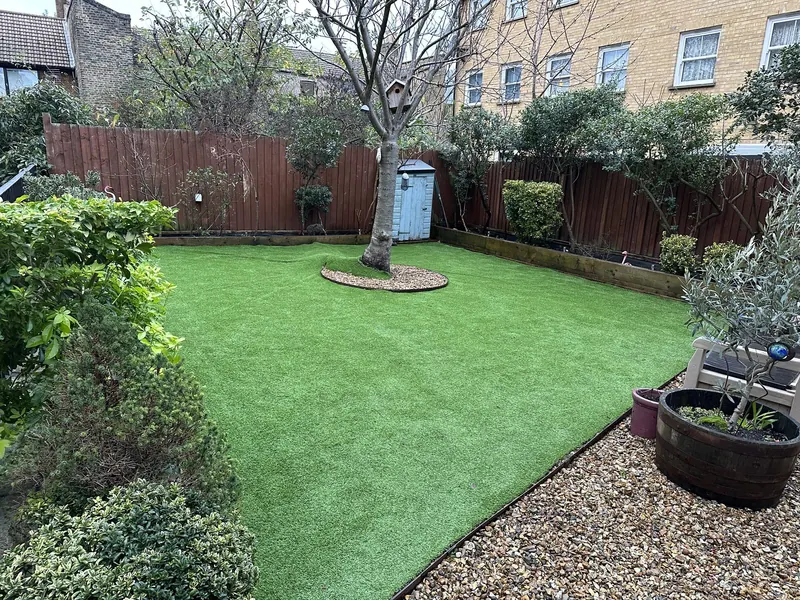
6 min read
Artificial Grass Care Guide
Artificial grass still needs attention. Build a simple routine for loose debris, edges and everyday spills, guided by the instructions for your own lawn.
Open guide →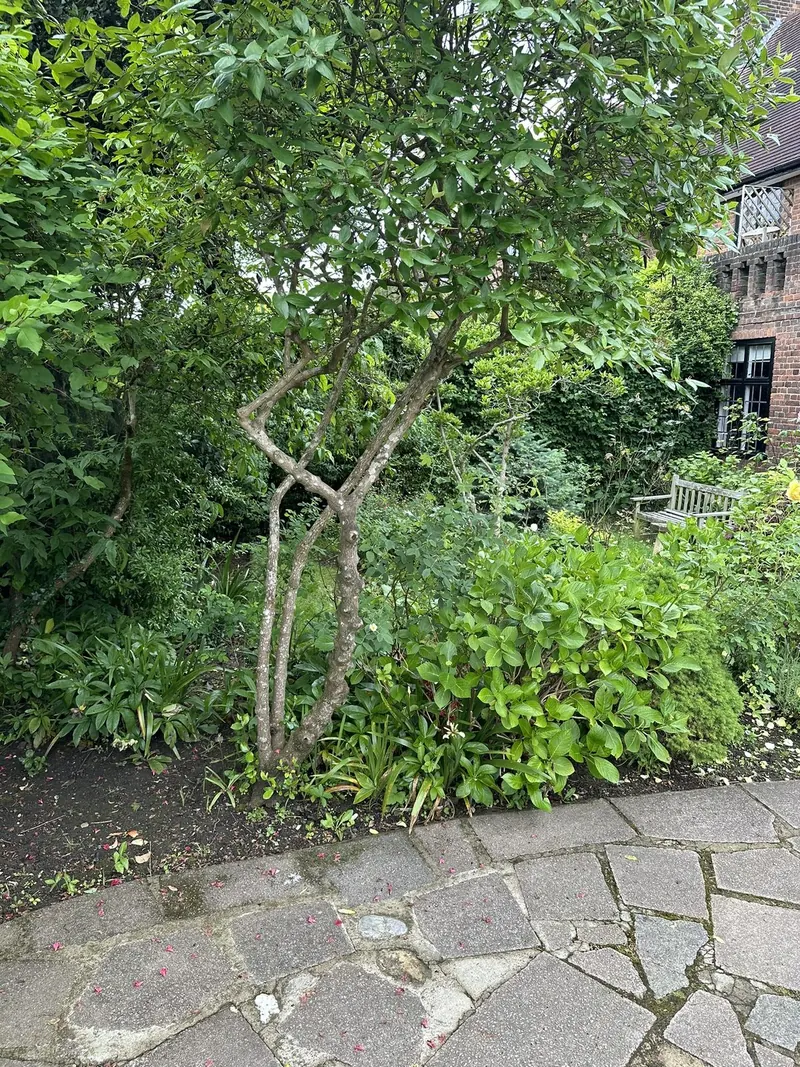
6 min read
Garden Maintenance Checklist by Month
A year-round planning notebook for London gardens: what to observe, which jobs to consider and how to adapt the calendar to your own space.
Open guide →