
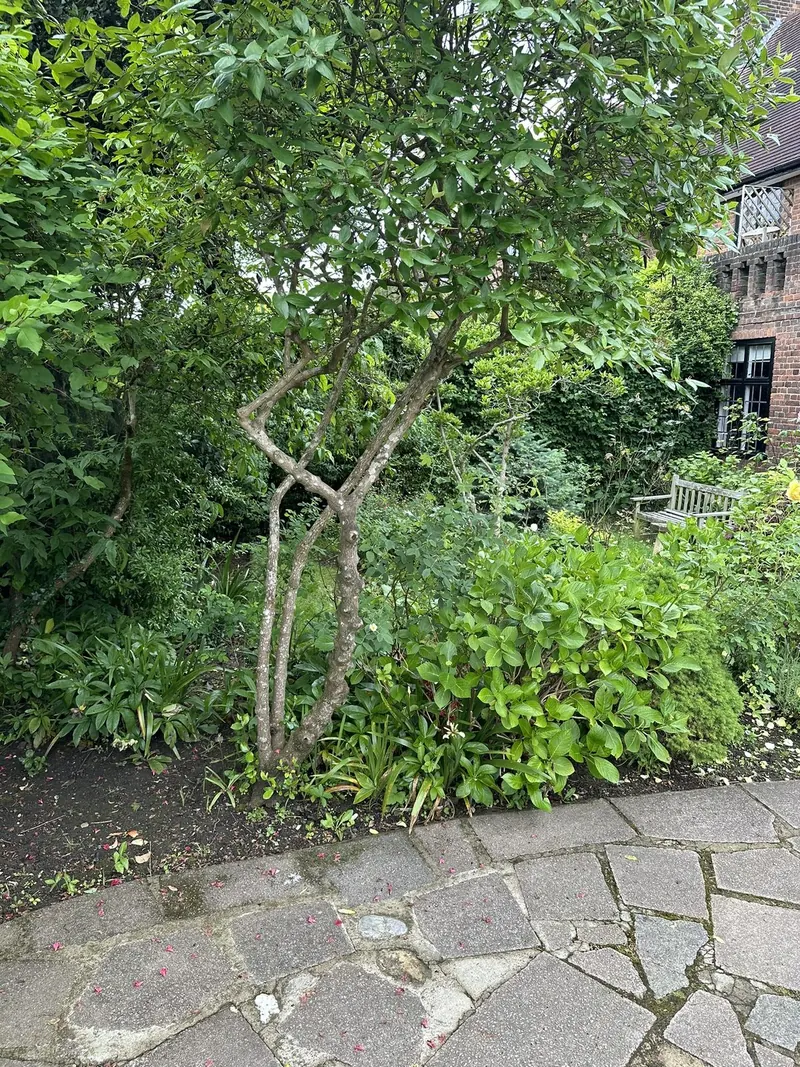
How should you use a monthly garden checklist?
Use months as reminders to look closely, rather than deadlines that override conditions. A sheltered London courtyard and an exposed garden on the outskirts can be at different stages on the same day. Keep a notebook with the first signs of growth, repeated wet patches and the areas that dry quickest. Your own observations become more useful each year.
Choose a manageable number of tasks per visit. Separate observation, upkeep and improvements so a long wish list does not obscure the essentials. This calendar concentrates on a year-round routine; it does not replace the main website’s autumn checklist or hedge-cutting guide. Plant-specific work should follow identification and suitable timing, rather than a general instruction to cut everything back together.
What should you notice in January and February?
January is a good month to map the garden without dense foliage hiding its structure. Notice where leaves accumulate, where paths remain wet and which containers sit in the wind. Make a list of practical problems before buying materials. Remove loose debris from the routes you use regularly, working from accessible ground rather than stretching into awkward corners.
In February, examine planting labels and emerging shoots before starting border work. Prepare a list of plants you want to divide, move or add later. Check the condition of hand tools and organise replacement parts before the busier months. Where the ground is saturated, choose planning and accessible surface tasks instead of repeated walking across beds. A little restraint can prevent extra repair work in spring.
What belongs on the March and April list?
March often brings a noticeable change in growth. Look at the lawn and decide whether conditions are suitable for an initial cut; the date alone is insufficient. Identify small weeds before they spread through emerging plants. Check pots and supports that have been left through winter. Keep your first round of work light enough to see how the garden is responding.
April is useful for reviewing gaps in borders and the watering arrangements for new planting. Weed small areas regularly rather than disturbing the entire bed in one session. Mark emerging plants that are easy to mistake for unwanted growth. If you are preparing a new border, finish the layout decisions before ordering plants. Keep a note of dimensions and likely mature sizes so the display remains manageable beyond its first season.
How do priorities change in May and June?
In May, look at how growth affects doors, seating and the route through the garden. Tie in suitable climbing plants to their intended support without forcing tightly bent stems. Check pots more often as conditions warm. Make a realistic plan for watering during holidays. A collection of small containers can require more frequent attention than a single larger planting area.
June is a useful checkpoint for the routine you chose in spring. Are lawn edges still easy to reach? Are larger plants crowding smaller neighbours? Photograph the overall layout for your own planning record. Focus work on the areas you use most. If the task list repeatedly exceeds the available time, adjust the planting or visit schedule rather than letting the same unfinished corner become a permanent source of frustration.
What should you consider in July and August?
July calls for observation before intervention. Check whether pots are actually dry beneath the surface before watering again. Remove unwanted growth from accessible joints and borders before it becomes tangled with neighbouring plants. Keep furniture arrangements practical so routine tasks remain possible. A garden can look full and relaxed without access to every bed being blocked.
In August, record which areas are working and which demand more attention than expected. Think about whether empty pots, awkward edging or cramped beds could be simplified later. Keep deadheading and light tidying selective, based on the plants present and the effect you want. Summer is also a useful time to measure spaces for future changes, because the current growth shows how much room established planting really occupies.
What do September and October help you plan?
September offers a chance to review wear on the lawn and the condition of beds after summer. Identify the cause of a bare patch before choosing a repair. A repeated route or persistent shade needs a different decision from a temporary disturbance. Keep an eye on newly planted areas and record any changes you want to make when conditions suit them.
October brings a different balance between useful leaf cover and material that needs lifting from working surfaces. Decide where you can keep leaves for gradual decomposition. Inspect the route to bins and the shed before darker evenings make it less convenient. This is a planning checkpoint for the whole garden; for a focused seasonal task list, follow the separate guidance linked from the main site rather than treating every autumn job as essential.
How should November and December finish the cycle?
In November, concentrate on what the garden needs to remain usable. Keep regularly used paths clear of loose material and record places where water lingers. Let the condition of soil decide whether border work should wait. Put plant labels back where they can be found, and write down any planting combinations you want to repeat or change next year.
December is a useful month to compare the year with your original priorities. Which jobs were easy to keep up with? Which needed outside help? Put improvements into a sensible order before requesting quotations. Keep some flexibility for weather and access. A good annual plan leaves room to postpone an unsuitable task without losing sight of the garden’s wider needs or creating an unrealistic list for the first warm weekend.
Where can you check timing before cutting?
The RHS seasonal advice hub is a starting point for further plant research. For lawn work, consult RHS mowing guidance. Before any vegetation cutting, follow the RSPB guidance on active nests; their protection is not confined to a calendar window. Unknown plants and uncertain conditions are reasons to seek specific advice.
Questions about this guide
Does this calendar apply to every London garden?
Use it as a framework. Exposure, soil, shade and the plants present matter more than a postcode or a fixed date.
Should every monthly task be completed?
No. Pick the tasks relevant to your garden and postpone work that conditions or plant requirements make unsuitable.
Can I plan fewer visits in winter?
Discuss the actual tasks first. Reduced growth may change priorities, but paths, leaves and containers can still need attention.
What is worth recording each month?
Note growth, persistent damp patches, plant performance and jobs you could not complete. Those notes help make the following year more manageable.
Is this a hedge-cutting timetable?
No. Hedge timing needs separate consideration, including plant type and active nests. Follow the linked official advice before arranging cutting.
Read next
6 min read
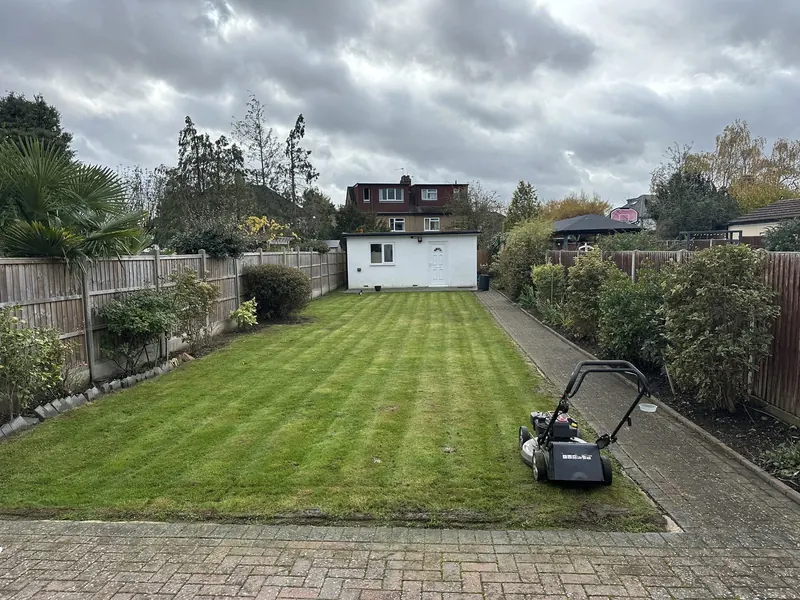
Lawn Care Calendar for London Gardens
Plan lawn care around growth, moisture and use. Learn when a cut, a simple repair or a change of routine makes more sense than doing everything at once.
Open guide →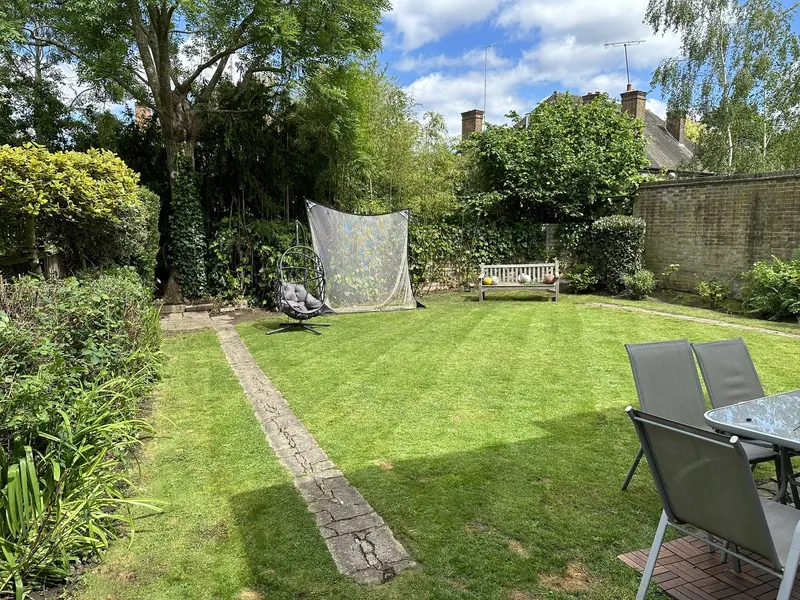
6 min read
Winter Garden Jobs in London
Use December, January and February to observe your garden, keep everyday routes usable and prepare a realistic spring plan without forcing unsuitable work.
Open guide →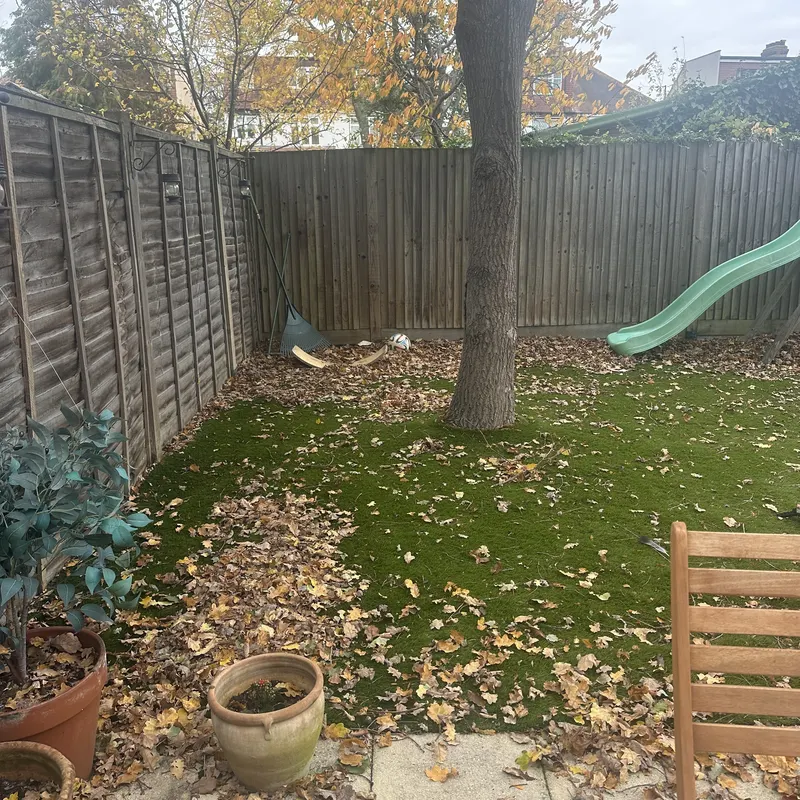
6 min read
Leaf Clearing: Lawns, Beds and Paths
Decide which leaves need lifting, where a lighter touch suits planted beds and how to organise collection or leafmould without moving the same pile twice.
Open guide →