
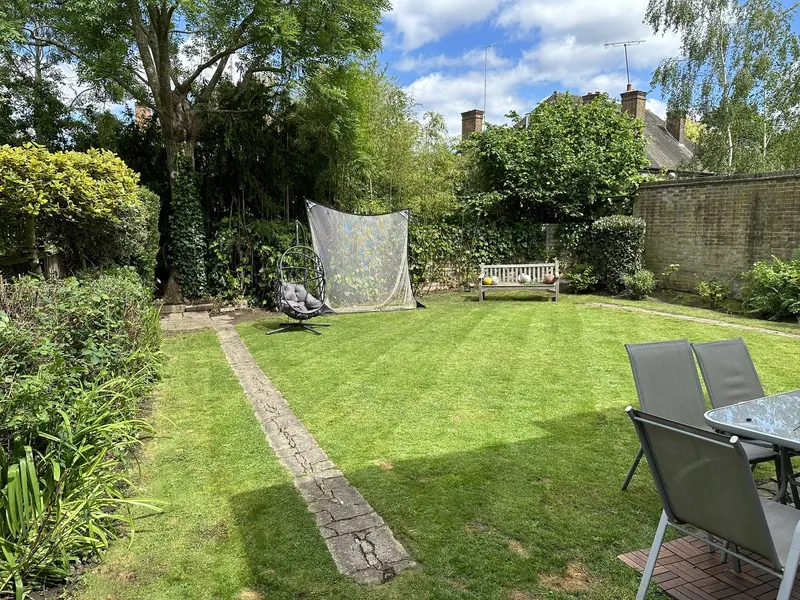
What is winter gardening meant to achieve?
Winter is a useful time to understand how the garden works when growth slows and its structure becomes more visible. The aim is to keep the space usable, notice recurring problems and prepare for later decisions. It does not require every bed to be cut down or every surface to look as it does in summer.
Choose tasks that fit the actual conditions. A sheltered courtyard can differ greatly from an exposed lawn even within the same London neighbourhood. Keep the weather, ground and plants in view rather than relying on a calendar alone. This guide concentrates on December to February observation and preparation, giving the winter months their own purpose rather than repeating the main website’s autumn checklist under a different title.
What should December’s first walk-round reveal?
Follow the routes you use most: door to bin, house to shed and any access needed for deliveries or household routines. Notice accumulated leaves, objects that narrow the path and places where water remains. Record these from normal access rather than disturbing a surface to investigate. A rough sketch can help you compare the same areas after another spell of weather.
Look at containers and portable furniture. Decide whether their positions still make sense when you spend less time outdoors and have fewer daylight hours for small tasks. Keep routes clear enough for ordinary use. If a corner is consistently awkward, note the practical change you would like to discuss later. Winter can show problems that summer foliage and frequent garden use have made easy to overlook.
Which jobs suit a damp or cold spell?
Use unsuitable ground conditions as a cue to switch tasks, not to force work on beds and lawns. Sorting labels, reviewing plant records and planning a priority list can all be useful. Accessible surface tidying may be possible where conditions allow, but avoid assuming a firm-looking top means the whole ground is ready for repeated traffic.
For lawn decisions, the RHS mowing guidance advises against work on wet or frosty grass. A lawn that still grows in mild weather does not automatically need immediate cutting if the surface is unsuitable. Note the growth and review it when conditions change. A sensible winter plan includes permission to postpone a task rather than creating avoidable repair work simply to complete a list.
How can January help you understand the layout?
With less foliage, the relationship between paths, beds and boundaries is often easier to see. Measure an awkward corner, check how far a chair projects into a route and notice whether a bed is too wide to reach. These observations are useful for a later design conversation because they describe daily use rather than just visual preference.
Keep existing features on the plan before proposing new ones. Record the positions of established plants, labels and any area you want retained for seasonal interest. Do not clear everything merely to obtain a tidy drawing. A garden has living parts that may look inactive for a time. If you cannot identify a plant, mark it for discussion and leave the decision open rather than treating winter appearance as evidence that it is unwanted.
Should every shrub be pruned in winter?
No. Timing depends on identification, the plant’s growth habit and the intended result. A general winter tidy is not a reason to cut every woody plant to the same shape. Make a list of unknown shrubs and seek plant-specific advice before starting. Keep any existing labels and photographs from the flowering season together to support identification.
Before vegetation cutting, use the RSPB’s guidance on active nests; winter is not an exemption from protection. For potentially protected trees, follow the official council enquiry route. Keep those checks separate from deciding whether a plant looks too large. LookDeVis tree work described here is ground-based and restricted to trees up to five metres, so explain the actual tree and proposed task before discussing a booking.
What preparation is useful during February?
Review the plant list and identify areas that need attention when conditions improve. Choose what you want to achieve in spring: easier access, a manageable lawn edge, refreshed planting or a border with less recurring work. Rank those outcomes rather than ordering materials for every idea at once. A focused first stage is easier to assess and schedule.
If mulching is appropriate for a particular bed, understand the preparation and material before arranging a delivery. The RHS organic mulching guide explains suitable preparation and placement. Decide how the material will reach the bed and where it can stand temporarily. Do not cover unidentified plants or persistent problems simply to make the surface look finished. Keep the future care of the bed part of the decision.
How do you organise winter help without overbooking work?
Describe the tasks you want assessed and mention conditions that might affect them. A request to keep paths usable and review borders is clearer than an instruction to do all winter jobs. Agree how the appointment will be handled if the ground is unsuitable for part of the scope. Keep alternative tasks explicit rather than assuming anybody attending can substitute unrelated work.
At the end of winter, use your notes to prepare a spring brief. Include the recurring wet patch, the route that needs more room and the plants that need identification. Separate immediate care from larger changes that need assessment. Winter has been productive if you understand the garden better and can make the next decisions clearly. It does not need to leave every area freshly cut or every planned improvement completed before the first new growth appears.
Questions about this guide
Is winter a good time to cut every shrub?
No. Identify the plant and the purpose of pruning first. Different plants need different timing and approaches.
Can grass need cutting during a mild winter?
Growth may continue, but ground and grass conditions still matter. Follow the linked RHS guidance and postpone unsuitable work.
Are nesting checks unnecessary in January?
No. Active nests can occur outside the main season. Follow the RSPB advice before vegetation cutting at any time.
What can I do while the ground is too wet?
Review records, plan priorities, identify plants and organise access. Choose only physical tasks that suit the conditions in the relevant area.
How do I request a winter visit?
Describe your priorities and current conditions, then discuss the scope and any weather-related changes with LookDeVis Services before booking.
Read next
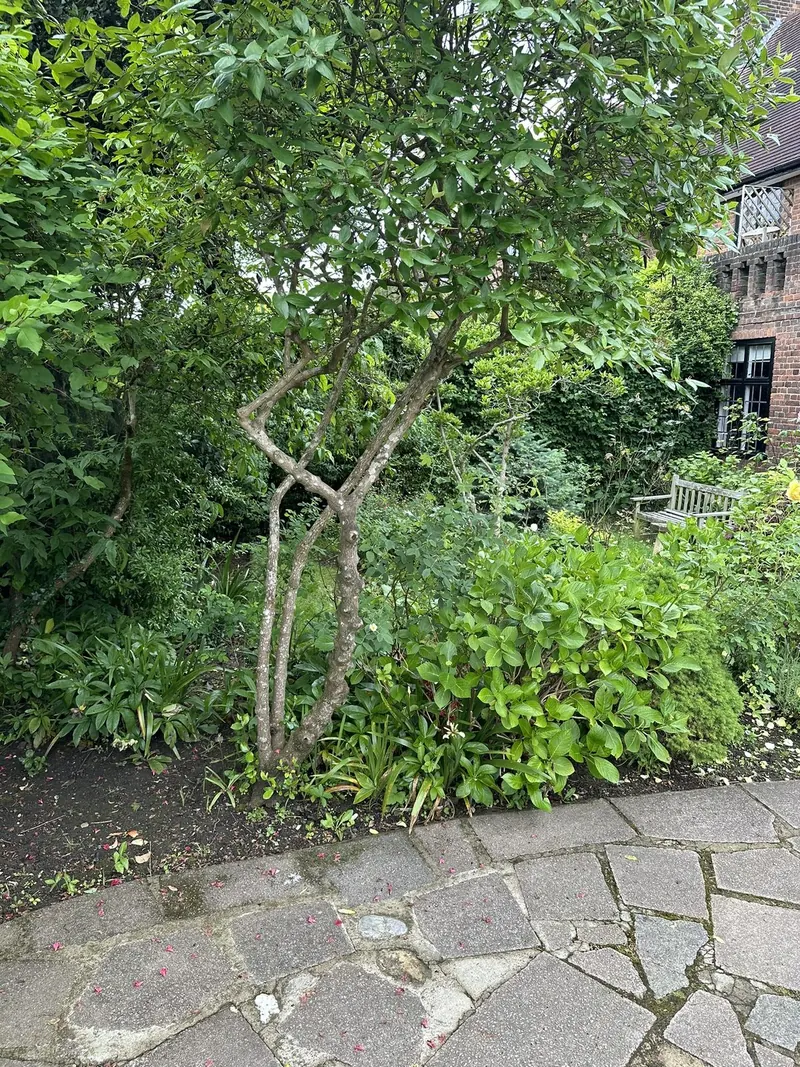
6 min read
Garden Maintenance Checklist by Month
A year-round planning notebook for London gardens: what to observe, which jobs to consider and how to adapt the calendar to your own space.
Open guide →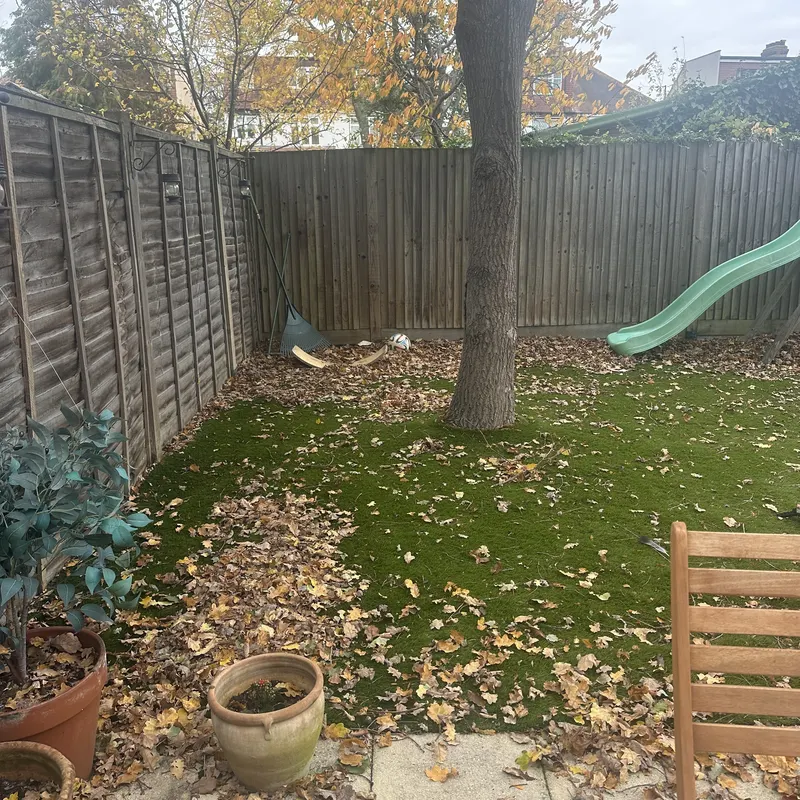
6 min read
Leaf Clearing: Lawns, Beds and Paths
Decide which leaves need lifting, where a lighter touch suits planted beds and how to organise collection or leafmould without moving the same pile twice.
Open guide →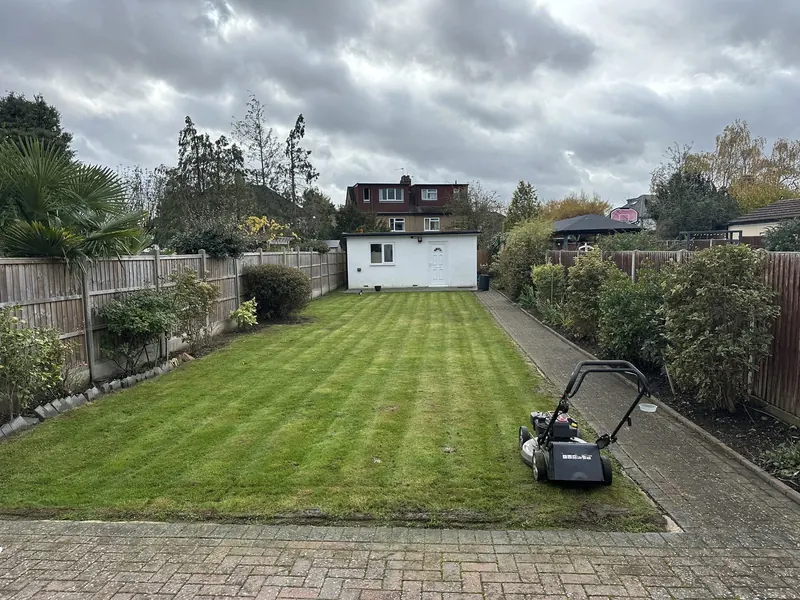
6 min read
Lawn Care Calendar for London Gardens
Plan lawn care around growth, moisture and use. Learn when a cut, a simple repair or a change of routine makes more sense than doing everything at once.
Open guide →