
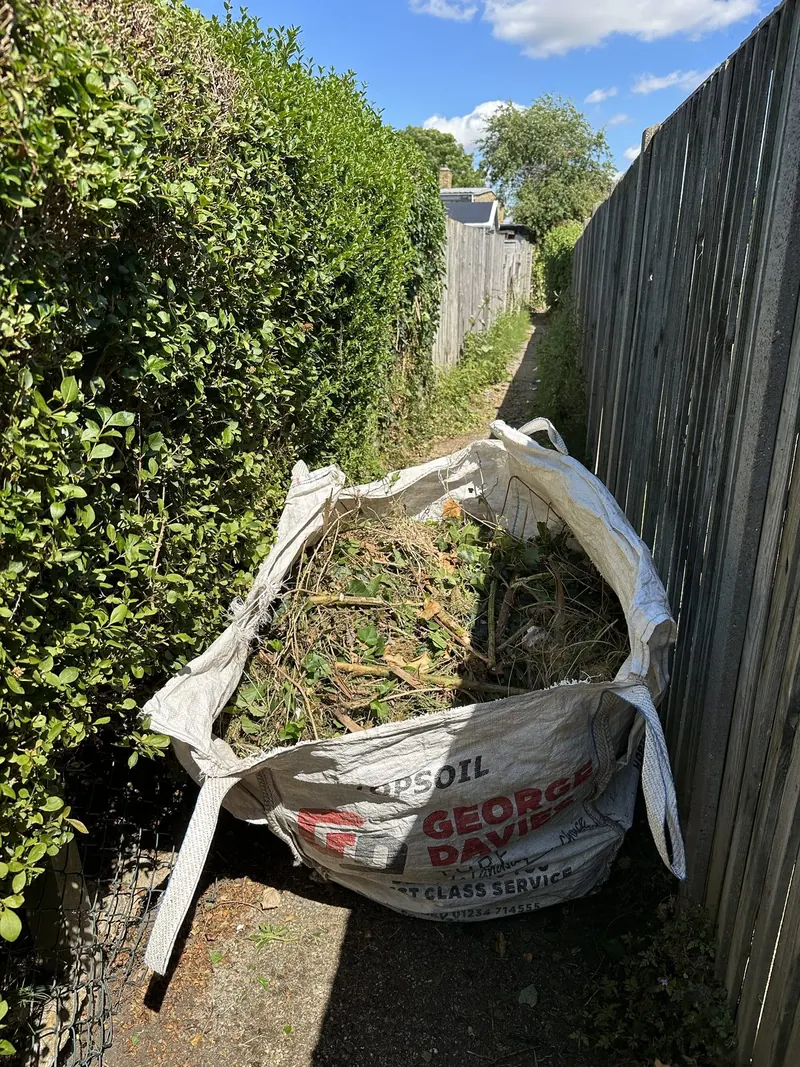
Why decide the waste route before cutting starts?
The amount of material becomes much easier to understand once it is gathered, but leaving the decision until then can create avoidable handling. Before a gardening job, choose where cuttings may stand temporarily and how they will leave that position. Keep the route open and distinguish material you want retained from material intended for collection.
Describe the likely contents rather than simply calling everything garden waste. Grass, leaves, woody branches, soil and old pots are not the same load. If a garden has been used for storage, explain that household items may be mixed into vegetation. A useful plan separates the gardening outcome from the collection arrangement, so somebody cutting back a border does not have to guess what you intended to do with the resulting pile.
What can stay usefully in the garden?
You may have room for a compost system, a leafmould area or a suitable place for woody material. Choose according to what you can manage and the space available. Keeping material is only useful when there is a plan for it. A heap that blocks the shed or has to be moved every weekend can become another task rather than a practical solution.
Keep different processes distinct. The RHS leafmould guide explains the particular use of decaying leaves. A general compost heap has other requirements. If you are uncertain about plant material, seek identification and disposal advice before adding it. Do not mix plastic ties, broken pots and litter into something you intend to use on beds later. Sorting at the start is easier than trying to retrieve small fragments from a large pile.
How do council garden collections fit into the plan?
Check your council’s current service details before filling a container. Look for accepted materials, size limits, collection dates and any seasonal changes. Your actual address matters; a nearby household may use a different service. Arrange the gardening task around the capacity genuinely available rather than assuming an unlimited amount can be placed beside a full bin.
If a container is shared, confirm who may use it and how it will be presented. Avoid filling a communal bin without an agreed arrangement. Keep the route between the garden and collection point practical. If material needs to wait, think about where it will sit without obstructing the property. A calendar reminder for collection is useful, but it does not replace checking what the service will actually accept.
What checks apply when someone takes household waste?
GOV.UK’s household waste guidance says to check that a private waste business is registered, selecting the upper-tier category for the relevant check. Use the Environment Agency register and compare the business details with the company arranging collection. A number mentioned in a message is a starting point for checking, rather than proof that every proposed load and destination is appropriate.
The official duty-of-care code distinguishes household occupiers from business waste holders. It also explains useful evidence to retain. Keep a record of the arrangement and relevant checks. If the garden belongs to a business or managed property, describe that context rather than assuming the household explanation covers every responsibility. Ask questions before collection when the situation is unclear.
Where does collected material actually go?
Ask the collector to explain the destination and the route appropriate to your material. Clean vegetation may be handled differently from a mixed load, and the details depend on the facility and the arrangement. This guide does not promise that every bag is composted or that a particular proportion is recycled. Such a claim needs evidence for the actual load.
If the destination or accepted contents are unclear, resolve that before collection. Do not add extra items after a quotation has been agreed and assume the same arrangement still applies. Describe any change in the material or quantity so the collector can respond. A clear account of what is leaving the garden makes the collection easier to assess and helps avoid a pile being rejected or needing to be sorted again.
How should you prepare material for an agreed collection?
Follow the collector’s instructions about containers and presentation. Keep general rubbish, soil and broken materials separate unless they have been explicitly included. Do not conceal heavy objects under light cuttings. Explain narrow access, steps and the carrying distance, because the pile’s location affects loading even when its contents are straightforward.
Leave gathered material in the agreed position, with access to gates and entrances maintained. If you are unsure how much a bag holds, ask rather than compressing material to fit an assumed charging unit. A photograph can support the discussion but does not replace a description of what lies underneath. Keep children’s equipment, retained pots and garden tools away from the collection area so they cannot be mistaken for part of the load.
What should you ask after the gardening visit?
Check that the final arrangement matches what you agreed: material retained, material gathered or material collected. If some remains for a later collection, confirm the next step and who will arrange it. Keep this separate from whether the cutting and tidying tasks were completed. A garden can be cut back successfully while a planned collection still needs coordination.
For future visits, review how much material the routine creates and whether the chosen route remains practical. Regular upkeep and a substantial clearance can produce different quantities. You might retain some leaves while arranging removal of other vegetation. Decide deliberately rather than carrying forward the previous arrangement without checking. The useful result is a repeatable system in which the gardening task, temporary storage and onward route all make sense together.
Questions about this guide
Is every item found outdoors green waste?
No. Soil, rubble, pots, plastic and household items need to be described separately. Outdoor location does not determine the accepted waste category.
Does registration prove the destination of my load?
No. Check the carrier and ask about the actual collection arrangement and destination. They are related but separate questions.
Must a householder keep a waste transfer note?
The official code distinguishes household occupiers from wider business duties. Keep useful evidence of checks and the collection, and consult the source for your circumstances.
Can I add old furniture to a cuttings collection?
Only after discussing it and receiving an appropriate revised arrangement. Do not hide additional items within vegetation.
Where is LookDeVis’s registration information?
The business details appear in the footer. Use the official register to check current details rather than relying solely on a website statement.
Read next
6 min read
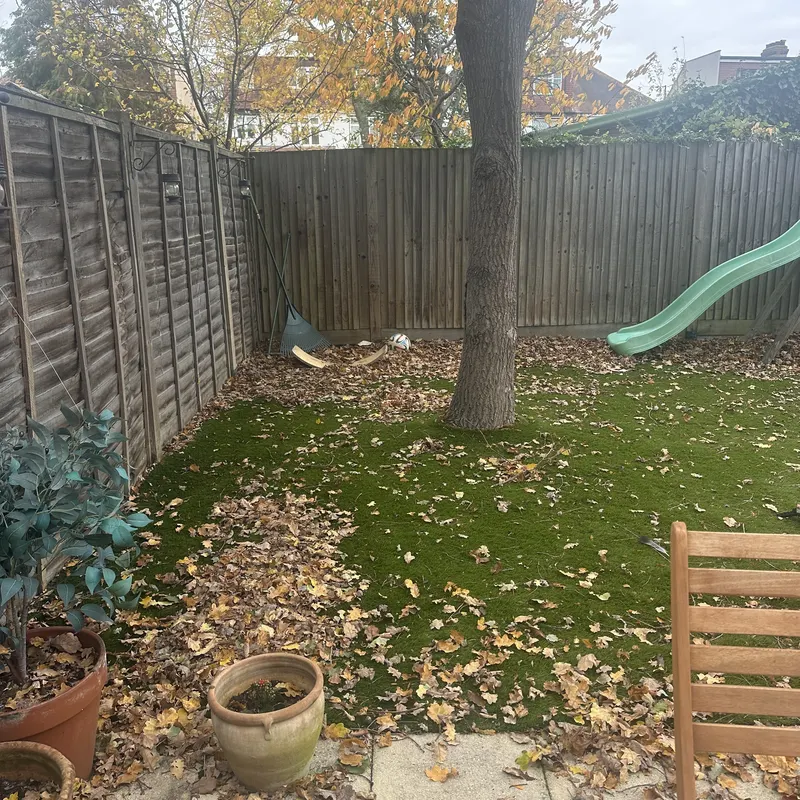
Leaf Clearing: Lawns, Beds and Paths
Decide which leaves need lifting, where a lighter touch suits planted beds and how to organise collection or leafmould without moving the same pile twice.
Open guide →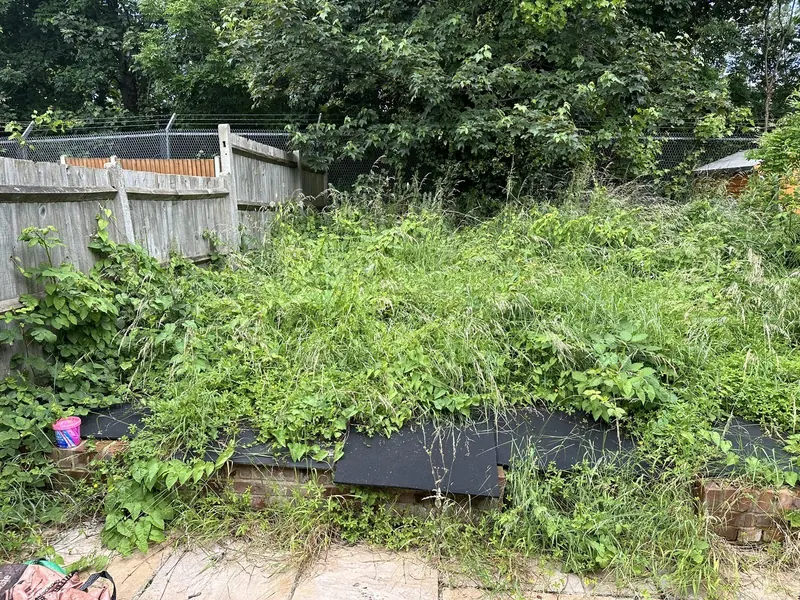
6 min read
Overgrown Garden: Where to Start
Treat an overgrown garden as a sequence of decisions. Map what is hidden, preserve what matters and divide the work into manageable areas before cutting begins.
Open guide →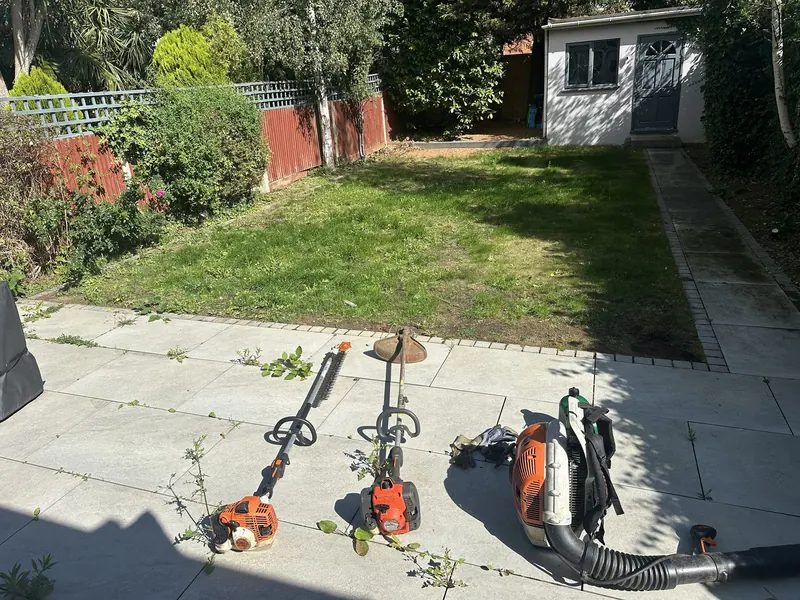
6 min read
How Much Does a Gardener Cost in London?
Understand the parts of an hourly quotation, the details that change a time estimate and the difference between a first visit and ongoing care.
Open guide →