
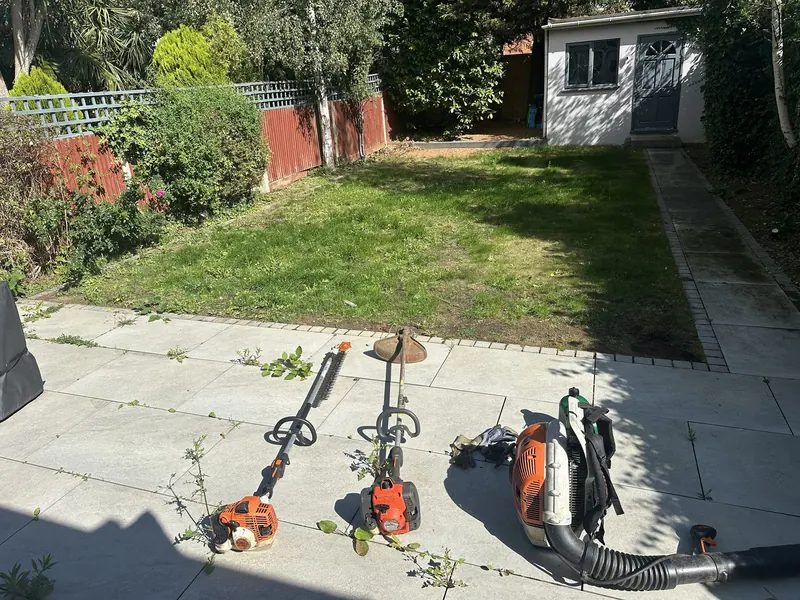
Why does an hourly figure need an explanation?
A gardening rate describes only part of a quotation. To understand likely expenditure, you also need the estimated hours, the number of people covered and the proposed tasks. Without those details, two apparently similar figures can represent very different visits. Ask for the basis in writing rather than guessing from the size of the garden.
Start with a list of outcomes. You might need grass cut to a manageable height, a route reopened and weeds removed from a particular bed. Identify the part that matters most if the available time is limited. This allows a quotation to distinguish an essential first stage from optional work. It also makes it easier to discuss what should happen if hidden obstacles appear after cutting begins.
What are our hourly rates?
Our hourly rates
Garden maintenance 65 pounds per hour, garden clearance 75, tree work 83 (ground-based, trees up to 5 metres), green waste 50 pounds per jumbo bag. No VAT added. Minimum booking 1 hour. The charging basis, hours and team size are confirmed in your written quotation.
Treat that wording as a starting reference for a discussion, not a complete price for your garden. A description such as “medium garden” does not establish how much work is present. Access, density, the requested finish and waste arrangements still need to be understood. If a written quotation seems to use a different basis, ask LookDeVis Services to clarify it before booking. The written scope should explain what your appointment will cover.
Which details change the hours required?
Long grass with hidden objects takes a different approach from an open lawn that is cut routinely. A narrow passage can mean more journeys carrying equipment and material. A crowded border may need careful hand work around plants, while an empty patch allows a different pace. Those differences are easier to explain through a task list than through garden dimensions alone.
Height and density also matter. A hedge that has been lightly maintained is a different task from woody growth extending through a fence. The amount you want retained affects the work too: careful selective clearing takes time. Describe what you want to preserve as clearly as what you want removed. A thoughtful estimate considers the work around the plants, rather than treating the whole area as an empty rectangle.
How does a first visit differ from regular care?
An initial appointment may involve catching up with several missed tasks. Later visits can concentrate on keeping those areas manageable. That does not mean every later visit takes the same time. Growth varies, leaves arrive unevenly and weather changes which tasks make sense. Ask for an arrangement that can accommodate those differences without leaving the charging basis unclear.
For a recurring quotation, explain your preferred result between visits. A close-cut lawn, tidy edges and carefully weeded beds require a different task balance from a looser planting style. State whether you enjoy doing some jobs yourself. If you handle watering and deadheading, the paid visit can concentrate on work you cannot manage. The aim is to price the help you actually need, rather than an undefined promise to keep everything perfect.
How should waste and materials appear in the quote?
Decide whether gathered vegetation can remain in a suitable place on your property or needs collection. Ask how the estimated quantity will be assessed and how any change will be agreed. Branches, soil and mixed items should be described separately, because a photograph of a green pile may hide material that needs a different arrangement.
Materials should also be identified rather than buried inside a vague task description. Plants, compost, mulch and replacement edging are different from the time spent installing them. If you are supplying something yourself, confirm when it will arrive and whether it is suitable for the job. Delayed or incorrect materials can affect the plan. A written quotation should make it clear which decisions still depend on you before an appointment is confirmed.
How can you keep a visit within an agreed limit?
Give the gardener a priority order and discuss a stopping point before work starts. For example, you can ask for the accessible lawn and entrance beds to come first, followed by a conversation about the rear border. A clear limit is easier to manage than a request to do everything as cheaply as possible.
If additional work becomes apparent, ask for the proposed change and its charging basis before agreeing. You can then decide whether to continue, schedule a later stage or leave that area untouched. Keep your first quotation and any agreed updates together. This is especially helpful when arranging work for another person, because the person on site may not be the person making the spending decision. Clear authority avoids delays and misunderstandings.
What information makes a cost conversation useful?
Provide the postcode, approximate layout, current condition, main tasks and access restrictions. Mention whether the garden has been maintained recently and whether you need a one-off improvement or continuing help. You do not need to predict the exact number of hours yourself. Explain the outcome and let the quotation set out the assumptions.
Read the estimate as a description of work as well as a financial document. Ask what will be left at the end of the appointment, where gathered material will go and whether a follow-up is expected. These questions help you compare proposals on the same basis. They also give you something concrete to review afterwards, instead of relying on a broad impression that the garden should have looked more finished.
Questions about this guide
Is there one total for every garden of the same size?
No. The condition, task list and access can differ considerably. Dimensions help, but they cannot describe the whole job.
Does an hourly rate tell me the team size?
Only if the quotation says so. Ask how many people are included and how the stated hours will be counted.
Can I prioritise a smaller part first?
Yes. Explain the area and outcome that matter most, then request a quotation for that stage before discussing wider improvements.
Is clearance the same as ongoing upkeep?
The initial work can involve a backlog that does not recur on each visit. Ask how the first appointment and later care are described.
Where do I get a quotation?
The main LookDeVis Services website handles enquiries and written quotations. This guide helps you understand what to discuss before you book.
Read next
6 min read
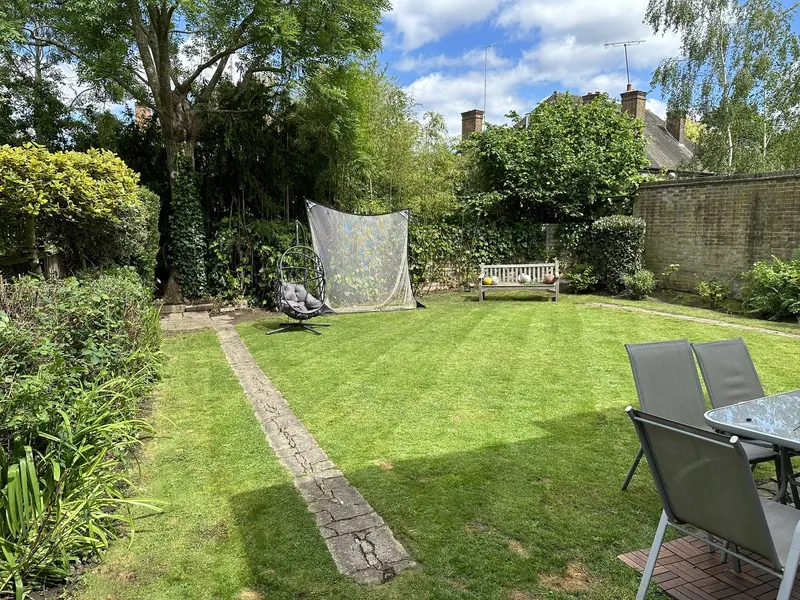
How to Hire a Gardener in London
Choosing help starts with a clear brief. Use these questions to compare written quotations, agree priorities and understand what a first visit will achieve.
Open guide →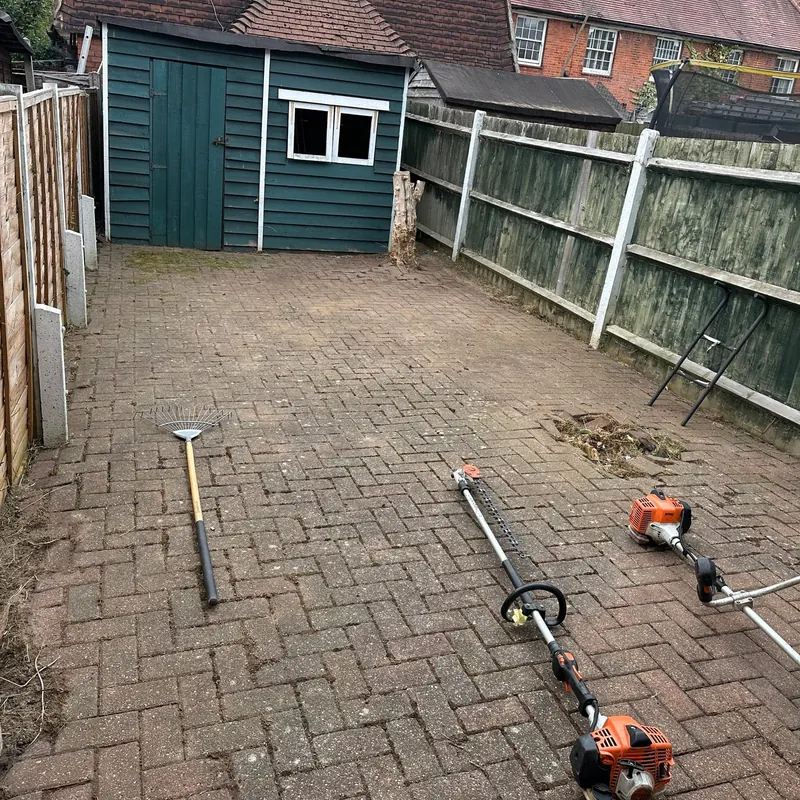
6 min read
What We Bring and What You Provide
Prepare the practical details of a visit: equipment access, clear priorities, water and power where relevant, and an agreed place for gathered material.
Open guide →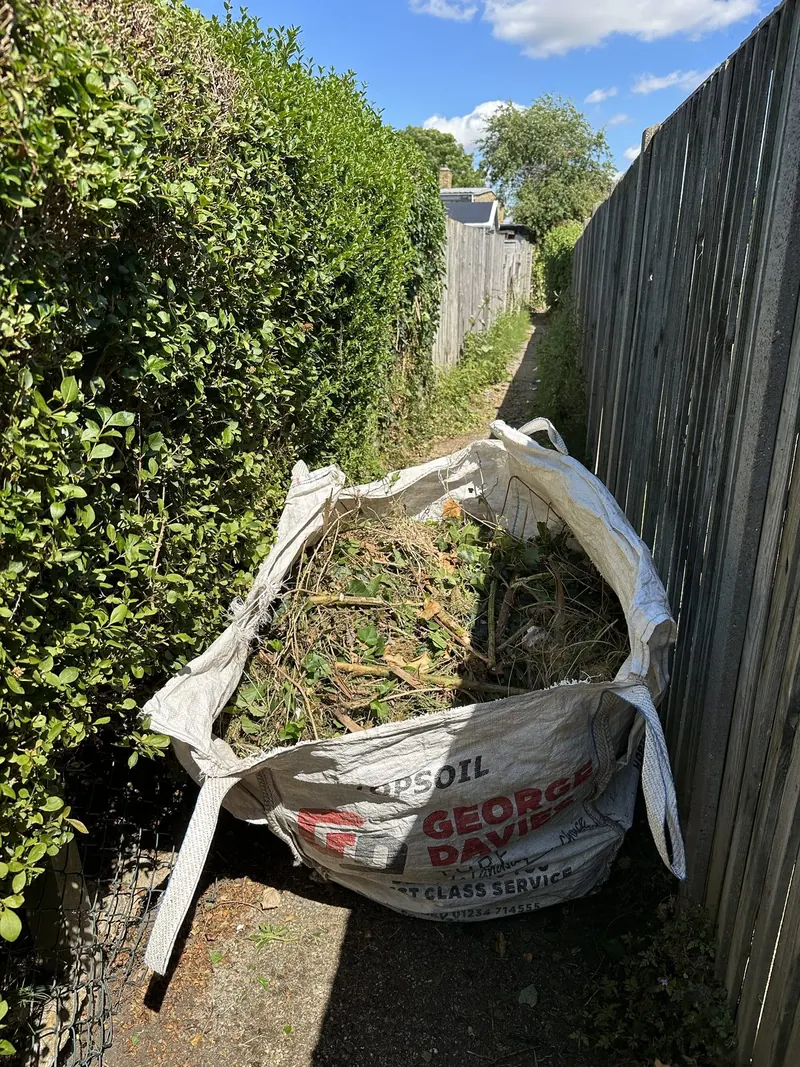
6 min read
Garden Waste: Where It Goes
Choose a route for cuttings before work begins. Understand the difference between keeping material, council collection and a registered private collection.
Open guide →