
What equipment comes with a gardening visit?
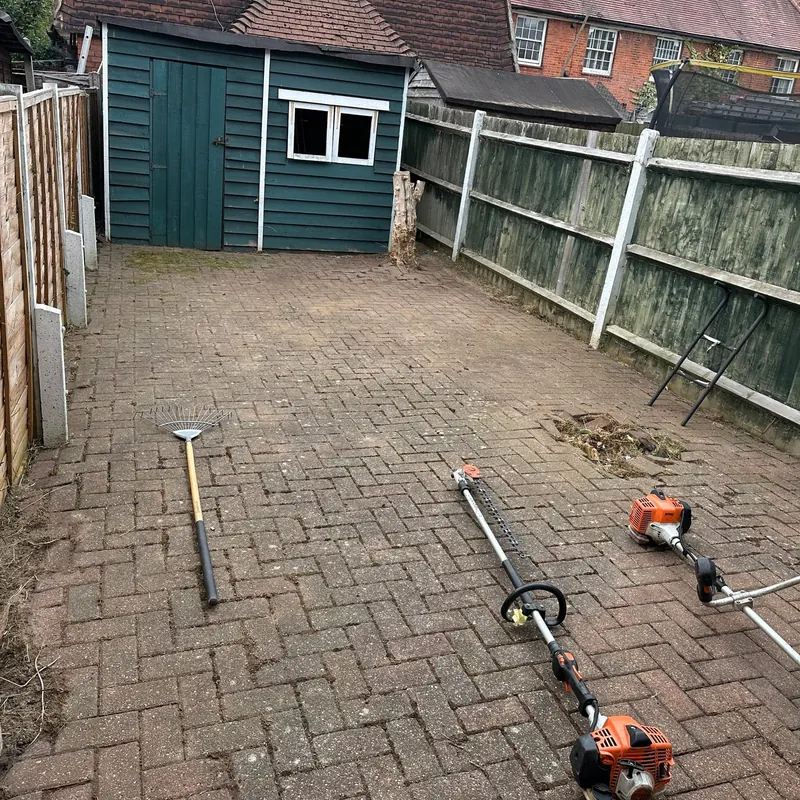
LookDeVis brings gardening equipment appropriate to the agreed task. The usual range includes mowers, strimmers, hedge trimmers, secateurs, loppers, rakes, spades and waste bags. The selection for your visit depends on what has been quoted and the access available. You do not need to buy a tool collection simply to ask for help with routine gardening.
Describe unusual conditions before the appointment so the equipment choice can be considered. A very narrow entrance, steps or a bed accessible only through the house may affect the approach. If you already own equipment and would prefer it used, discuss that in advance rather than assuming it becomes part of the visit. The quotation should describe the task and any specific arrangements, rather than relying on a general list of tools to explain every possible job.
What is the customer’s most useful contribution?
Your knowledge of the garden can matter more than additional equipment. Point out plants you want retained, areas you have recently planted and objects that growth may conceal. Explain which result matters most if several tasks are being considered. A short written priority list helps the attending team make the same decisions you would expect.
Mention anything that affects normal access, including a gate that needs unlocking or a passage used by other people. Keep entry arrangements private and agree them through a direct conversation. You do not need to tidy the whole garden before the visit. Instead, identify personal items that should be moved and describe what cannot be moved easily. An accurate account makes preparation more useful than trying to make the garden appear simpler than it is.
How should the route into the garden be prepared?
Walk the route from the expected entrance to the work area. Note its narrowest point, steps, tight turns and anything that must be crossed. Describe fragile surfaces or rooms on the route. If you are unsure of a measurement, say so and provide an approximate description rather than guessing a precise clearance that may prove wrong on arrival.
Agree where equipment may be placed without blocking the entrance or everyday household access. If work involves a shared route, coordinate the arrangement with the relevant person. Move loose personal items where practical, but do not attempt to shift something heavy or unstable just to prepare for a gardening appointment. Tell the team about it so the plan can account for it. Preparation should make the visit clearer, rather than create another difficult task for you beforehand.
Do gardening tasks need customer water or electricity?
Routine LookDeVis gardening equipment does not require customer power or water. That does not mean every outdoor task has the same requirements. New planting, turf aftercare and surface cleaning involve different considerations. Explain the work you are asking for so the quotation can identify what must be available and who will provide it.
For pressure washing, customer water and power are required. Confirm the connection positions and any restrictions before booking that work. If a water point does not function or access changes, tell LookDeVis Services early enough to review the arrangement. Do not improvise a supply on the day without discussion. A clear conversation about the task is more helpful than assuming that the requirements for mowing also apply to cleaning a patio or caring for newly laid turf.
What should be agreed about cuttings and waste?
Choose whether the material will remain on site, go through an accepted household collection arrangement or be separately removed. Gathering and collection are different activities, so state your preference before the task produces a pile. If material remains, agree a position that does not obstruct a gate, path or planting you want to keep accessible.
Describe mixed contents clearly. Soil, rubble, broken pots and household items should not be hidden inside vegetation. For household material leaving through a private collection, consult the GOV.UK disposal guidance and check the business using the Environment Agency register. Keep that arrangement with the quotation so the end-of-visit discussion can distinguish material gathered from material actually due to leave the property.
How do you prepare for a visit when you will be out?
First establish whether an unattended visit is suitable for the task and how access will be handled. Leave a clear description of retained plants and priorities through the agreed communication route. Do not rely on an unlabelled note that another person might move, and avoid putting private access information into a public-facing message or a general quotation description.
Identify who may answer questions if an unexpected issue appears. If nobody can authorise a change, agree the stopping point in advance. A useful instruction explains what to do if the estimated task proves larger or a concealed area needs assessment. Keep pets and household routines in mind when arranging access. The aim is a workable plan in which the attending team can complete the agreed scope without having to guess about changes you have not approved.
What should happen at the beginning and end?
At the beginning, review priorities and show anything that a photograph did not explain. Confirm the boundary of the work area, the retained plants and the material-handling arrangement. If conditions have changed since the quotation, discuss the effect before expanding the task. A short walk-round can settle details that would otherwise become repeated interruptions later.
At the end, compare the completed tasks with the agreed plan. Check what material remains, which areas were intentionally left alone and what needs attention next. If another visit is appropriate, describe its purpose rather than simply repeating the original request. Keep the brief and quotation for reference. Good preparation does not require a perfectly organised garden; it requires clear priorities, honest access information and decisions about the few practical matters that affect the work.
Questions about this guide
Must I supply a mower or hedge trimmer?
LookDeVis brings equipment appropriate to the agreed gardening work. Discuss any special preference or unusual access before the appointment.
Do I need to provide power for mowing?
Routine LookDeVis gardening tools do not require customer electricity. Other work has different requirements, which should be confirmed in the quotation.
Can the same visit include pressure washing?
Ask for it to be assessed and included explicitly. Customer water and power are required for that task.
Must I move every item before arrival?
Explain what is present and move personal items where practical. Discuss difficult or unstable items rather than attempting an unsuitable move yourself.
What if I cannot be home for the visit?
Agree suitability, access, priorities and authority for changes beforehand. Keep private entry arrangements out of general enquiry text.
Read next
6 min read
How to Hire a Gardener in London
Choosing help starts with a clear brief. Use these questions to compare written quotations, agree priorities and understand what a first visit will achieve.
Open guide →
6 min read
How Much Does a Gardener Cost in London?
Understand the parts of an hourly quotation, the details that change a time estimate and the difference between a first visit and ongoing care.
Open guide →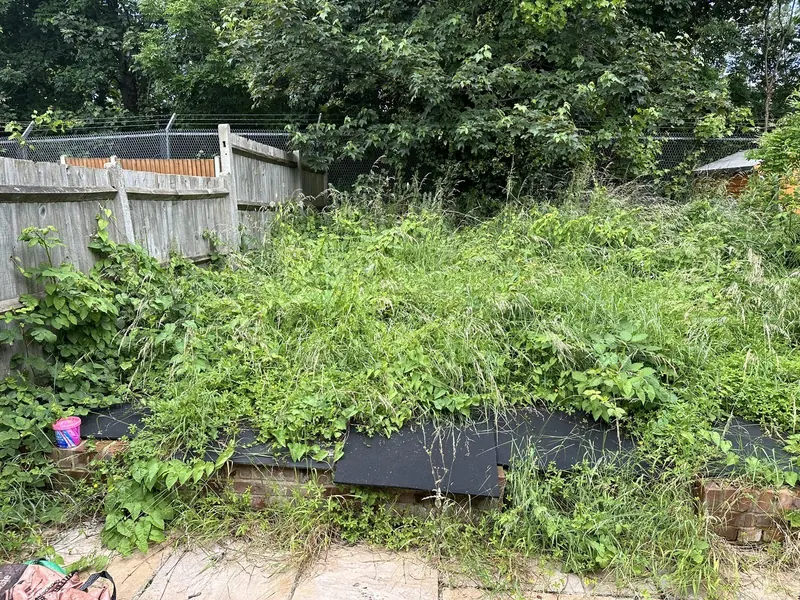
6 min read
Overgrown Garden: Where to Start
Treat an overgrown garden as a sequence of decisions. Map what is hidden, preserve what matters and divide the work into manageable areas before cutting begins.
Open guide →