
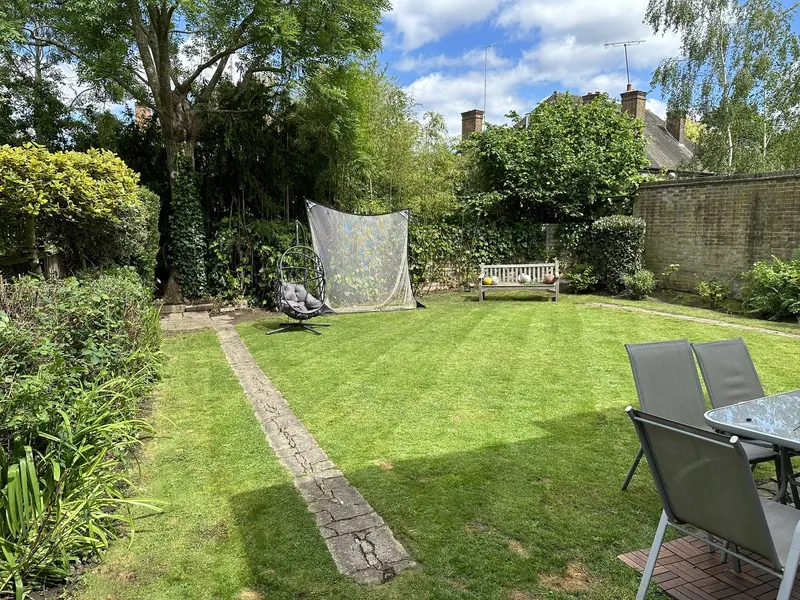
What are you actually asking someone to achieve?
Before requesting a quotation, describe the result you need in ordinary language. Perhaps the children cannot reach the lawn, a border has disappeared beneath weeds, or weekly upkeep has become difficult. These are useful starting points because they explain what matters to you. A list of plant names is less helpful if it leaves the purpose unclear.
Separate essential work from improvements you would like later. Clearing the route to the washing line might come first; reshaping an entire border can wait. Write three priorities in order. Add anything that must stay untouched, including bulbs, seedlings, a wildlife corner or a planting bed that looks dormant. Keep this list for the visit so both sides can work from the same expectations.
Which ten questions help you compare gardeners?
Ask these questions before choosing: What work is included? What remains outside the scope? How is the charge calculated? How many people will attend? What duration has been estimated? Are tools supplied? How will cuttings be handled? What access is needed? What happens if conditions change? How will additional work be agreed?
Record the answers alongside each quotation. Someone who describes a shorter visit may be pricing a smaller task rather than offering better value. Ask whether edging, gathering cuttings and finishing the route out are included when those details matter to you. A useful answer explains the practical outcome, rather than simply repeating the name of a service. You should be able to picture what the garden will look like when that visit ends.
What should the written quotation make clear?
Look for the garden address, proposed tasks, charging basis, estimated time or agreed total, team size and treatment of materials and waste. Access requirements and any parking arrangements should also be understood. If the first visit is intended to assess a heavily overgrown area, ask what can reasonably be promised before the hidden ground becomes visible.
Keep the quotation where you can refer to it. If a conversation changes the scope, request an updated written summary before work proceeds. An instruction such as “do whatever is necessary” can lead to different expectations about time and cost. A more useful instruction identifies the immediate priority and asks the gardener to check with you before moving into additional areas. Clear permission makes the day easier for everyone.
How do you compare hourly work with a defined project?
An hourly arrangement can suit changing maintenance needs, especially when the task list varies with growth. A defined project needs a specification detailed enough to describe the intended finish. Neither approach removes the need to discuss limitations. Ask how the estimate was reached, what assumptions it contains and what would make those assumptions change.
Compare equivalent scopes rather than the headline number alone. One proposal might leave cuttings neatly on site while another includes collection. One might cover a first cut only while another includes border work. Mark those differences before deciding. If a quotation is unclear, ask one direct question at a time. A simple clarification now is more useful than trying to reconstruct an informal conversation after the work has finished.
What should you arrange before the first visit?
Check the route from the entrance to the garden. Note narrow gates, steps, shared passages and rooms that must be crossed. Explain whether somebody needs to unlock a side entrance, and avoid sending security codes in a general enquiry. If access crosses a neighbour’s land or shared space, agree the arrangement with the relevant person beforehand.
You do not need to make the garden look better before asking for help. A realistic view is more valuable. Point out visible obstacles and things you know lie beneath growth. Explain if furniture needs to remain where it is. Think about where gathered material could be placed temporarily without blocking the exit. These details help turn a broad request into a workable visit rather than a series of surprises.
Which warning signs deserve a follow-up question?
Pause if the proposed work is vague, the business identity is unclear, or the treatment of waste cannot be explained. A low figure without a description tells you little. Pressure to agree immediately is also a reason to take time and ask for the details in writing. Keep your decision tied to what has actually been offered.
For waste collection, use the Environment Agency register to check the carrier. GOV.UK explains the household waste checks. Before work on a potentially protected tree, consult the council using the official tree-work guidance. These are separate checks; a gardening quotation does not itself establish permission for every proposed task.
How do you judge the first visit fairly?
At the start, confirm your priority list and point out the plants you want retained. At the end, compare the result with the agreed tasks. Discuss anything that could not be completed and ask what the next visit would address. This gives you a practical basis for deciding whether occasional help or a recurring arrangement suits the garden.
For recurring care, agree how changing priorities will be handled. A wet week may make the lawn unsuitable while border work remains possible. It helps to know whether the gardener will discuss that adjustment with you. Keep a short record of completed tasks and future needs. A workable relationship depends on clear decisions and consistent follow-through, rather than an expectation that every part of the garden will look finished after one appointment.
Questions about this guide
Do I need a complete planting plan?
No. Identify the areas that matter, the plants you recognise and anything you want left alone. Unknown plants can be discussed before cutting starts.
Should I choose by the hourly figure alone?
Compare the attending team, expected duration, scope and waste arrangements together. An hourly figure without those details does not describe the visit.
Can I leave a key arrangement until the day?
Settle access before the appointment. Use a private conversation for entry arrangements rather than putting security information into a general enquiry.
Is waste collection automatically included?
Do not assume it is. Ask whether material stays on site, goes into your accepted collection system or is separately removed.
Can I book regular care immediately?
You can ask about it, but first establish the garden’s current condition and what initial work is needed before a repeat schedule becomes realistic.
Read next
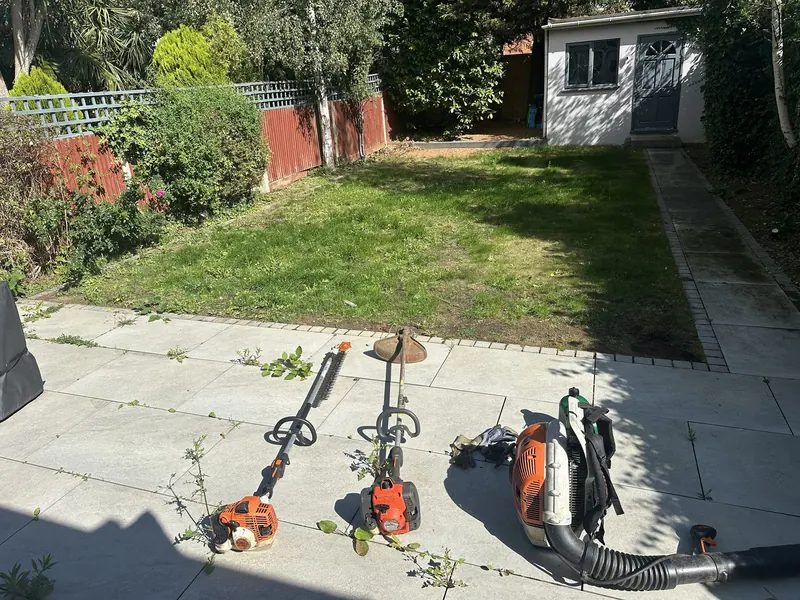
6 min read
How Much Does a Gardener Cost in London?
Understand the parts of an hourly quotation, the details that change a time estimate and the difference between a first visit and ongoing care.
Open guide →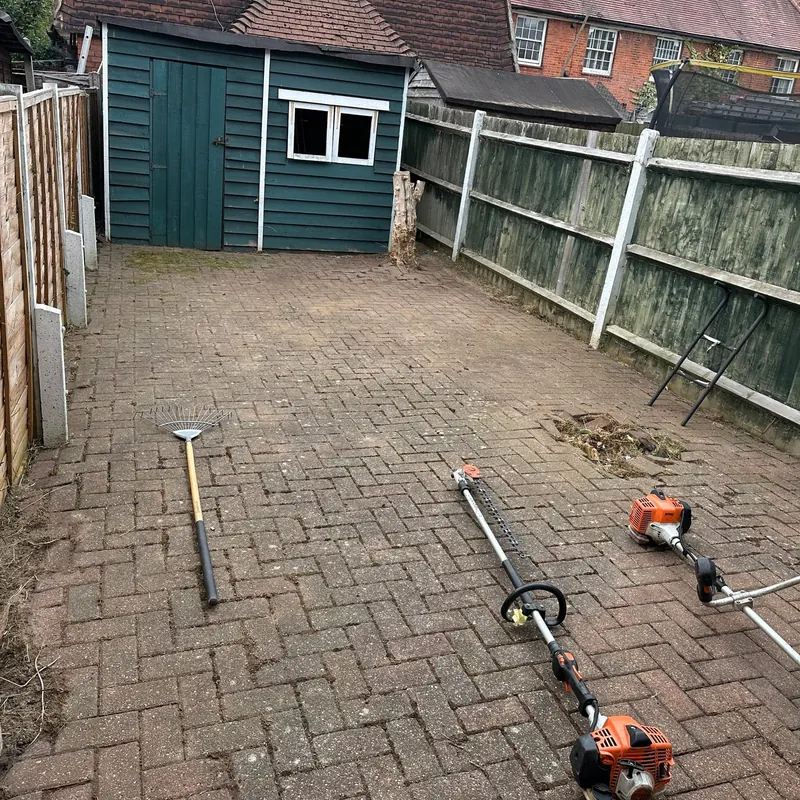
6 min read
What We Bring and What You Provide
Prepare the practical details of a visit: equipment access, clear priorities, water and power where relevant, and an agreed place for gathered material.
Open guide →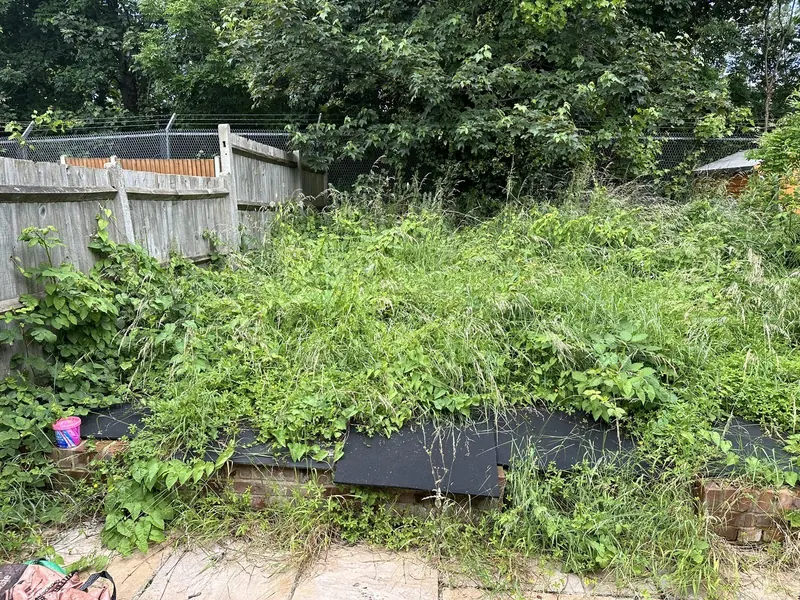
6 min read
Overgrown Garden: Where to Start
Treat an overgrown garden as a sequence of decisions. Map what is hidden, preserve what matters and divide the work into manageable areas before cutting begins.
Open guide →