
Is every unexpected plant a weed?
An unexpected seedling is not automatically a problem. Decide whether it belongs where it has appeared and whether it is crowding something you value. A self-seeded flower in a generous border may be welcome, while the same plant in a narrow joint can obstruct a route. Identification should come before removal when you are unsure.
Mark plants you want retained, especially in mixed beds where new shoots appear close together. A small label can prevent repeated uncertainty on later visits. Keep a photograph of the bed during its fuller season to help interpret bare-looking gaps. The aim is a border you understand and can maintain, rather than an empty surface produced by removing every unfamiliar leaf in one enthusiastic session.
Why do annual and perennial weeds need different plans?
Annual weeds complete their life cycle within a year; many spread by seed. Perennial weeds persist over more than one growing season and may return from established roots or underground structures. That difference explains why removing visible tops can produce a tidy appearance without solving the longer-term issue. Notice where growth returns after an initial pass.
The RHS guide to weeding beds describes shallow hoeing for suitable young annual weeds and careful lifting of persistent roots. Around valued plants, work selectively so the task does not damage what you intend to keep. A heavily entangled border may need several stages. Ask for a realistic follow-up plan rather than treating every returning shoot as evidence that the first visit achieved nothing.
When is the ground suitable for hand weeding?
Choose a time when you can work without repeatedly compacting wet beds or struggling against hard, dry soil. Take a small area first and see how readily roots lift. Use an accessible position and move along the edge rather than reaching far across plants. If a bed is too wide to maintain comfortably, that is useful information for a future layout change.
Prepare somewhere to put lifted material so it does not end up scattered across the work you have just completed. Keep soil disturbance proportionate: turning the whole border is not always needed to deal with a few unwanted plants. Look for bulbs and emerging growth as you work. Where the task becomes uncertain, leave a clearly marked section for identification rather than making a decision that cannot easily be reversed.
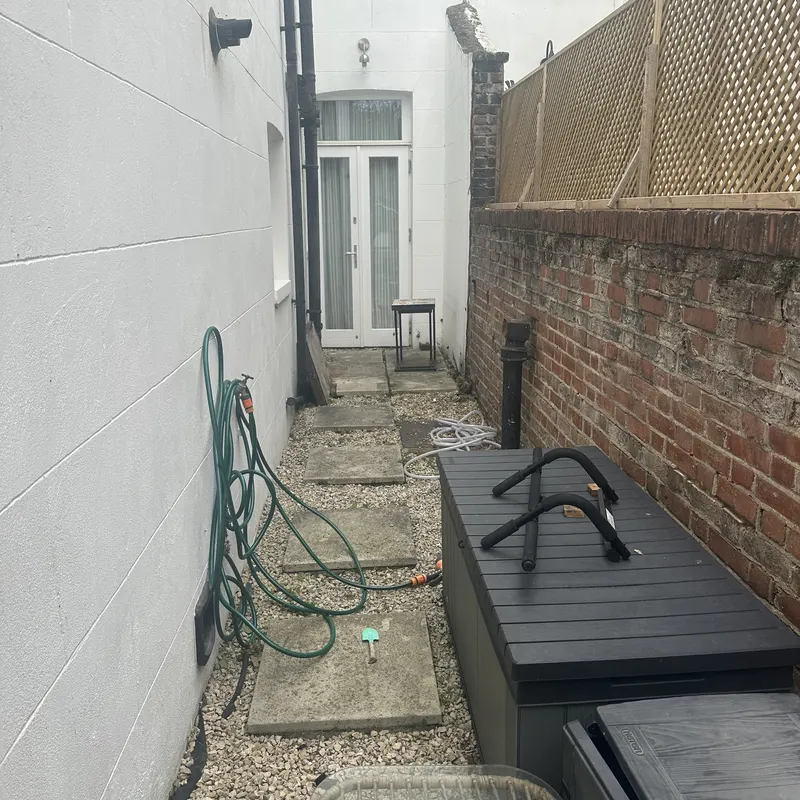
How should you approach weeds between paving joints?
First identify the surface and the condition of its joints. A plant growing through a sound joint presents a different problem from a slab surrounded by missing or crumbling material. Remove accessible growth carefully without turning a small gardening task into accidental damage to the paving. If a slab moves, pause that section and discuss the surface itself.
Brush loose debris away afterwards so you can see the remaining condition. Do not expect a single pass to keep joints clear indefinitely; seeds and organic debris can arrive again. If the same section is repeatedly affected, note whether nearby soil, leaf accumulation or a damaged edge is contributing. A maintenance routine should fit the material, rather than applying the same force to every path because the visible growth looks similar.
Does mulch remove the need for further weeding?
Mulch is a layer placed over the soil surface. It can be useful as part of border management, but it should not be used to hide an unresolved patch of vigorous roots. The RHS mulching instructions explain preparation and careful placement around established plants. Choose material suitable for the bed and the result you want.
Before ordering, measure the actual soil area rather than the full outline including paths and large features. Decide how material will reach the bed and where deliveries can stand temporarily. Keep plant bases visible and follow suitable application guidance. After mulching, continue observing the border. It remains a living area, and small new arrivals are easier to deal with before they become established among the plants you chose to retain.
What should happen to lifted weeds?
Separate the material according to the disposal route you intend to use. A home compost system, a leafmould area and a council garden collection are different arrangements. Check the requirements for the actual material instead of assuming everything that grew in the garden belongs in the same pile. Keep plastics, rubble and soil-heavy items distinct.
If you are booking collection, describe perennial roots and mixed contents rather than simply calling the load green waste. Follow the GOV.UK household waste guidance when passing household material to another person. You can check a collector through the Environment Agency public register. Keep the collection decision separate from the decision about which plants to remove, so a suitable disposal route is ready before work begins.
How do you make repeat weeding manageable?
Divide the garden into small sections and review them in a consistent order. Start with the places where unwanted growth is crowding young planting or affecting a route. Keep a note of persistent patches so you can compare their extent over time. A short, regular check is often easier to fit into life than another exhausting session once the whole border looks untidy.
If you ask for help, explain which areas were recently weeded and what returned. Describe the plants you are trying to preserve, not just the unwanted growth. Consider whether better access, clearer bed edges or a simpler planting arrangement would make the routine easier. A thoughtful plan addresses how the border is used and maintained over a season, rather than promising that one visit can remove every source of future seedlings.
Questions about this guide
Can I identify weeds from one leaf?
Sometimes, but uncertain seedlings should be left for closer identification. Look at the whole plant and its growth pattern before deciding.
Why did weeds return after a tidy-up?
Established roots, existing seeds and new arrivals can all contribute. The right follow-up depends on which type of growth has returned.
Should I dig every border completely?
Not automatically. Selective work can preserve established plants and avoid unnecessary disturbance when the problem is limited to particular patches.
Is paving cleaning the same as weeding?
They are different tasks. Removing plants from joints does not necessarily clean the surface or repair missing jointing material.
Can I request help with one bed only?
Yes. Mark its boundaries and the plants to retain, then describe the finish and follow-up you want before requesting a quotation.
Read next
6 min read
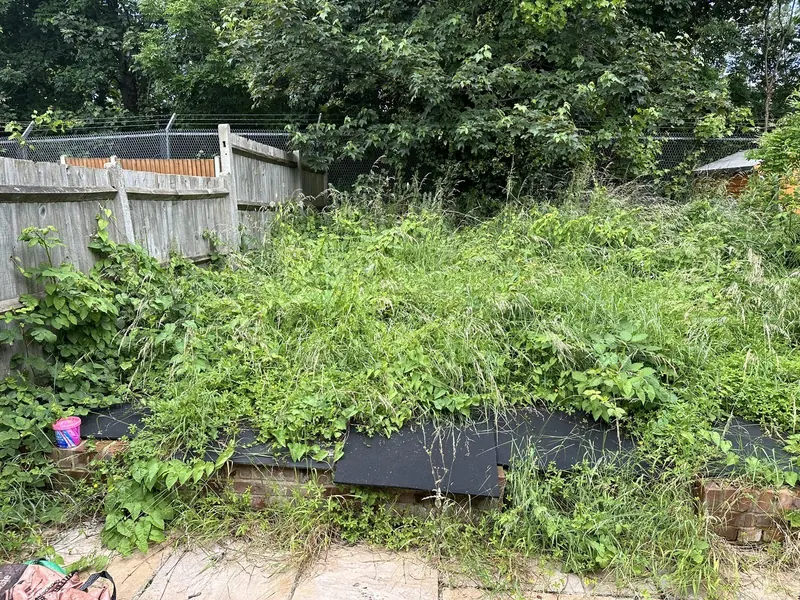
Overgrown Garden: Where to Start
Treat an overgrown garden as a sequence of decisions. Map what is hidden, preserve what matters and divide the work into manageable areas before cutting begins.
Open guide →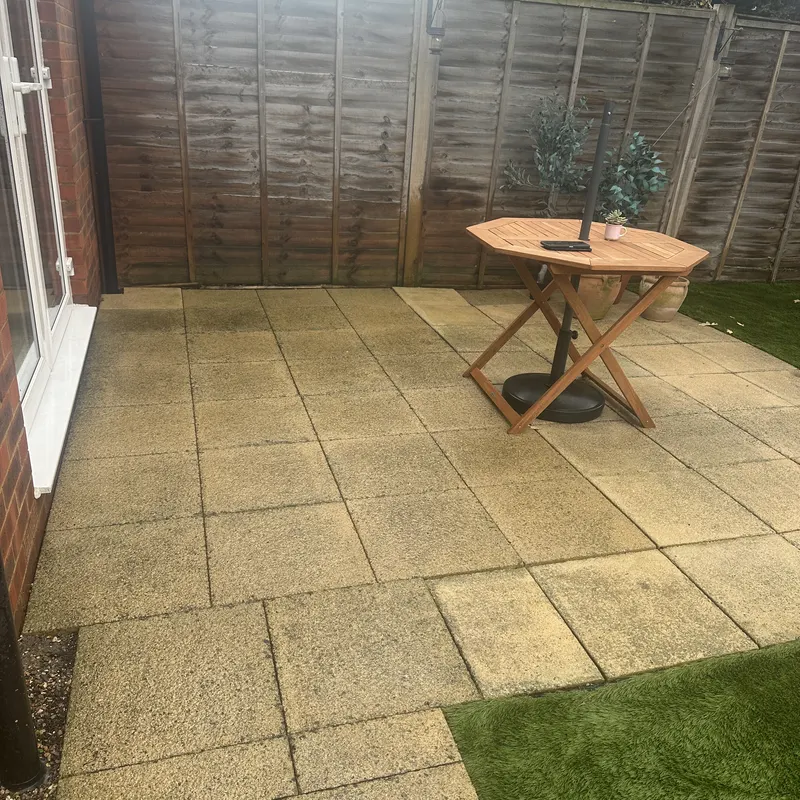
6 min read
Moss and Algae on Paths and Patios
Look beyond a green surface: understand where moisture collects, separate cleaning from repair and decide what a useful assessment should include.
Open guide →
6 min read
Garden Maintenance Checklist by Month
A year-round planning notebook for London gardens: what to observe, which jobs to consider and how to adapt the calendar to your own space.
Open guide →