
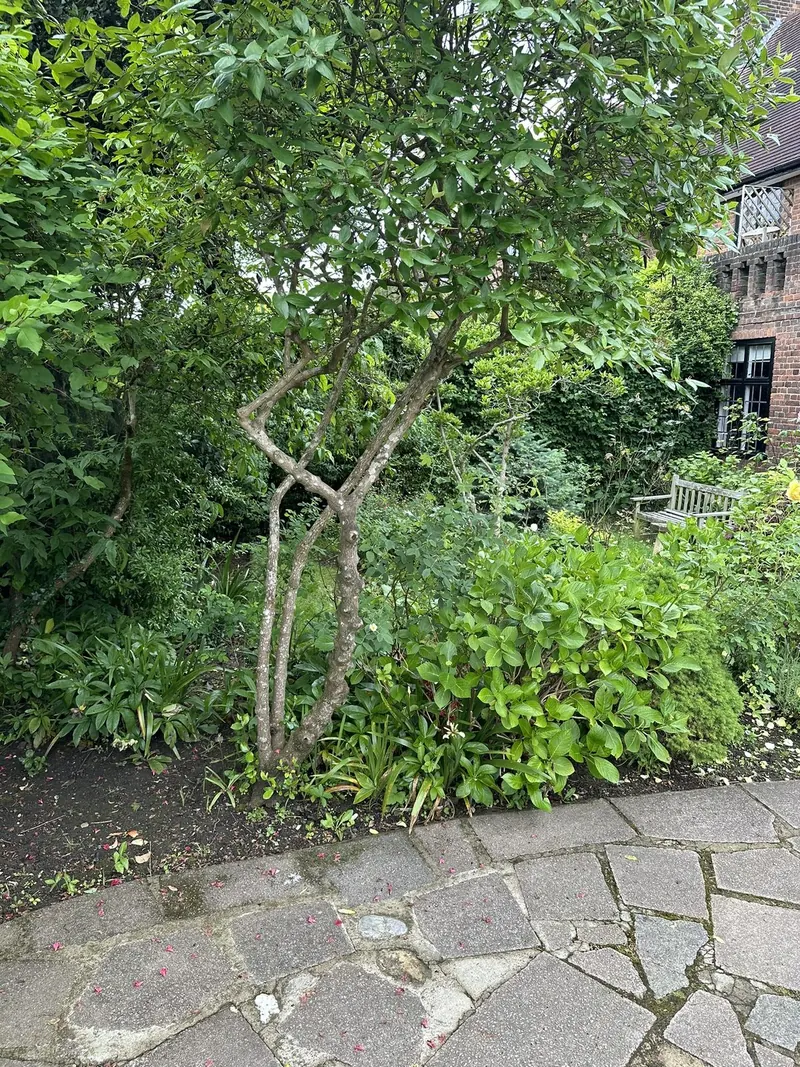
What should a small garden do for you?
List the activities the garden needs to accommodate. Sitting outside, drying clothes, storing bins and keeping a place for play all take room. Put them in priority order and identify which can share space. A garden that looks spacious in a photograph may still be awkward if every ordinary household task requires moving the furniture.
Observe the garden from indoors as well as outside. The view from a kitchen or living room can influence where planting and screening feel useful. Notice where people naturally walk and which corners remain unused. Start with those patterns before choosing a paving colour or buying a collection of pots. A compact garden benefits from decisions that support daily life, rather than trying to fit every appealing feature into a limited outline.
How do you plan a layout without crowding it?
Measure the boundaries, doors and existing features, then sketch the space approximately to scale. Include the area needed to open gates, move chairs and reach storage. Mark immovable elements first. Use temporary outlines for proposed furniture or beds so you can try the arrangement before committing to a permanent change.
Keep a clear route through the space. An arrangement that requires squeezing behind a chair may look acceptable on paper but become irritating in use. Consider whether one flexible paved area could serve several purposes rather than splitting the garden into many small sections. Leave room for maintenance as well as people. A bed that can only be reached by standing on another plant will be difficult to manage however carefully the initial design is drawn.
Which planting decisions make the biggest difference?
Choose plants for the light, soil and space you actually have. Record where sunlight reaches the garden at different times and seasons. A sheltered sunny corner and a shaded strip beside the house may need different choices. Mature size matters: a plant that fits neatly in a nursery pot can eventually crowd the route you meant to keep open.
Consider a limited set of plants repeated thoughtfully rather than many unrelated specimens requiring different routines. Include the periods when you will actually use or view the garden. If winter appearance matters from the house, consider structure as well as summer flowers. Keep plant labels and a simple list so later pruning or replacement decisions are based on identification. Unknown plants are a common source of unnecessary cutting and uncertainty in compact beds.
When do containers help, and when do they create more work?
Containers can place planting where a border is impractical and allow some flexibility as needs change. But each pot also needs suitable watering, access and a stable position. A large number of small containers can make the garden feel cluttered while creating a time-consuming care routine. Decide how many you can realistically look after during warm spells and holidays.
Leave space to reach the surface behind and beneath them. Notice where water and compost end up, particularly beside paving or an artificial lawn. Choose positions that do not obstruct a door or narrow the main route. If a container is intended to move seasonally, think about its filled weight before selecting it. The useful design is the one you can maintain comfortably after planting day, rather than the fullest possible arrangement.
How do surfaces and edges affect a compact space?
Keep the choice of materials coherent and connected to use. A route needs to work in everyday conditions, while a seating area needs enough room for furniture in use rather than pushed neatly underneath a table. Ask how edges meet planting, doors and existing features. Small awkward gaps can be surprisingly difficult to clean or weed later.
Do not choose a surface solely because its description suggests less maintenance. Natural turf, artificial grass, paving and decking all bring different care needs. Understand the preparation, future access and upkeep before deciding. Where levels or drainage may be involved, request an assessment rather than relying on the appearance of a finished photograph. A clear specification is especially useful in a small garden, where every junction and change in level is close to normal household use.
Can you gain privacy without losing usable room?
First identify the specific view you want to interrupt. A carefully positioned feature may be more useful than surrounding the whole garden with dense growth. Consider how a proposed plant or screen affects light, access and future maintenance. Keep within the space you control and establish the relevant permissions before altering a boundary or permanent feature.
Avoid using tree work as a casual design shortcut. Where a tree might be protected or the garden lies in a conservation area, consult the official tree-work guidance before arranging changes. LookDeVis tree work described on this site is ground-based and limited to trees up to five metres. The presence of a design idea does not establish that a particular alteration is permitted or suitable for the existing tree.
How do you turn ideas into a workable project brief?
Create a short list with three headings: keep, change and improve later. Add approximate measurements and explain the household activities the design must support. Include any limitations on access for materials and any need to pass through the house. These details help a designer or landscaper discuss the work as a practical project rather than a collection of attractive references.
Choose stages that leave the garden usable between them. For example, resolving the main route before adding planting can make later care easier. Keep room in the plan to revise details once the existing ground and boundaries have been assessed. Ask for materials, preparation and waste arrangements to be described in the quotation. A successful small garden is one that continues to fit the household, with a layout and routine you can sustain beyond its first finished photograph.
Questions about this guide
Do small gardens need to be mostly paved?
No. Balance planting and usable surfaces around your priorities, conditions and willingness to maintain them rather than following a single formula.
Can I plan using furniture dimensions alone?
Include room to pull chairs out, walk past them and open doors. Furniture in use occupies more space than its stored footprint.
Are lots of small pots easier to maintain?
They can create a demanding watering routine. Consider fewer well-positioned containers that you can reach and care for consistently.
Should I remove established planting first?
Assess what it contributes and identify it before deciding. A useful existing plant may be worth designing around.
What should I send when discussing a redesign?
Explain how you want to use the garden, what must stay, approximate dimensions and access constraints. Add a short priority list rather than only inspiration images.
Read next
6 min read
Garden Maintenance Checklist by Month
A year-round planning notebook for London gardens: what to observe, which jobs to consider and how to adapt the calendar to your own space.
Open guide →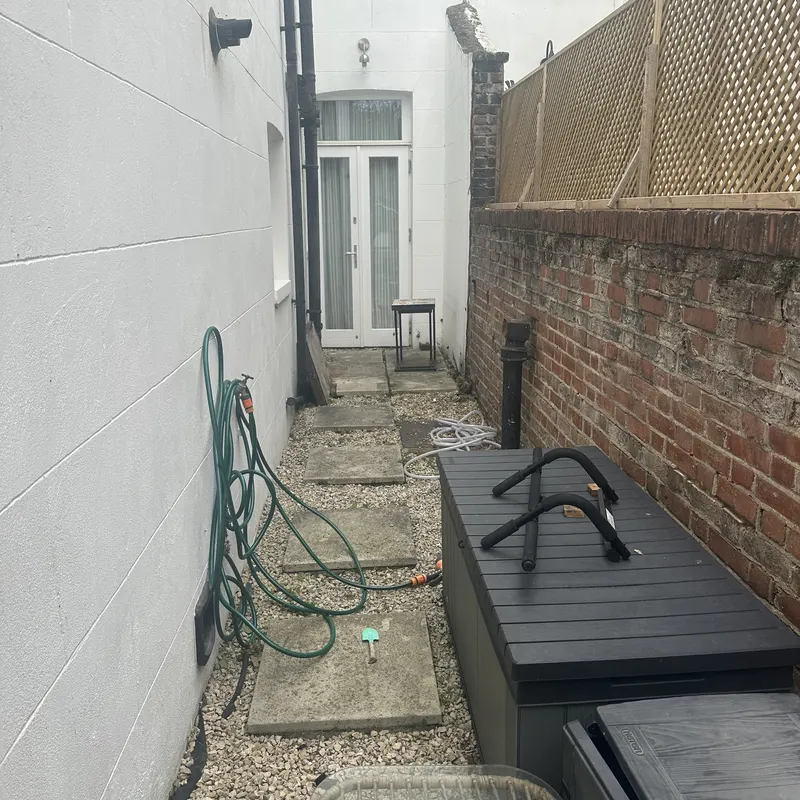
6 min read
Weeding Borders and Paths
Learn to recognise different weed habits, choose a practical approach for beds and paving, and plan repeat visits without disturbing plants you want to keep.
Open guide →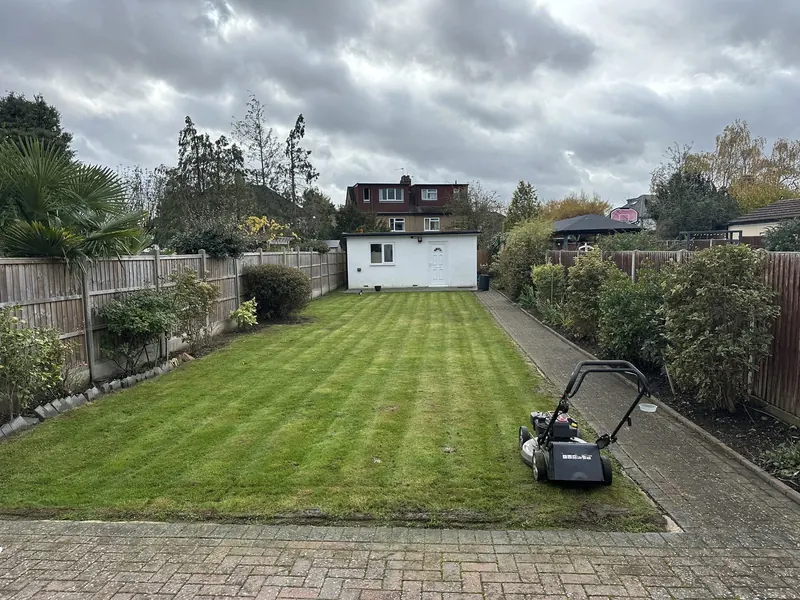
6 min read
Lawn Care Calendar for London Gardens
Plan lawn care around growth, moisture and use. Learn when a cut, a simple repair or a change of routine makes more sense than doing everything at once.
Open guide →