
Where should a tenant start when the garden needs attention?
Start with your tenancy agreement and any inventory or check-in record. Find the clauses dealing with the garden, outside space, alterations and reporting repairs. Do not assume that an arrangement at a previous home applies here. A private garden, a shared courtyard and communal grounds may involve different responsibilities. Write down the points that are unclear before contacting the landlord or managing agent.
This is general information for England, not legal advice or a decision about an individual tenancy. If there is a disagreement, a gardening business cannot interpret the contract conclusively for either side. Use the relevant official guidance and seek advice suited to the tenancy. The practical aim here is to help you describe the condition, ask clear questions and avoid booking work before responsibility and permission are understood.
How do routine care and repairs differ?
Routine garden tasks and repairing a defect are different questions. GOV.UK’s private renting repairs guidance describes landlord repair responsibilities and says tenants should only carry out repairs where the agreement allows. It does not create a universal rule that every outdoor task belongs to one party. Check the document and the specific issue rather than placing everything under the heading gardening.
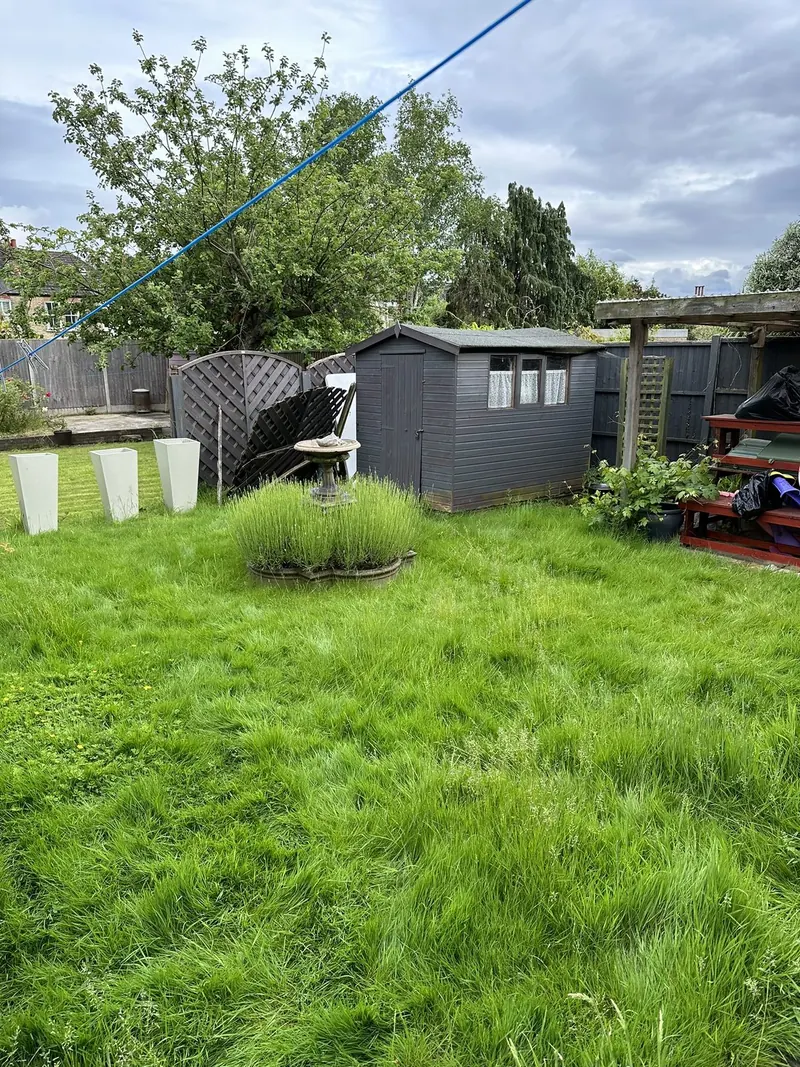
For example, grass that needs cutting and a damaged outdoor structure should be described separately in your correspondence. State what you can see without diagnosing the cause. If the condition affects access or appears to need repair, report it through the agreed route before asking a gardener to alter it. Keep the response alongside your tenancy documents so the person attending does not receive conflicting instructions from different parties.
What do official council examples tell us?
Newham Council’s gardening guidance for its tenants describes routine duties for gardens associated with those homes. That is an example of a particular housing arrangement, not a replacement for your own agreement. It illustrates why identifying the landlord and the applicable terms matters before relying on advice written for another property.
If you rent from a council or housing association, use that provider’s current guidance and reporting process. If the garden is communal, ask the managing agent which areas are included in the grounds arrangement. Avoid organising work on shared land simply because you are the person most affected by its condition. A clear description of the boundary and the person authorised to instruct work can prevent a well-intended booking from creating a further dispute.
How should condition be recorded?
Use dated photographs and a short written description of each area. Note existing planting, lawn condition, stored items and visible defects. Keep the record factual: describe tall growth or a broken panel rather than attributing blame. Where an inventory exists, compare like-for-like areas so you can discuss the actual change rather than relying on memory.
Save correspondence about work requested or agreed. If you report a problem by phone, follow up with a brief written summary through the appropriate contact route. Keep quotations distinct from permission: receiving a price does not show that the person responsible has approved the work. Before a visit, establish who will receive the quotation, who can agree changes and who will make payment. Those may not all be the same person.
What needs agreement before changing the garden?
Ask before removing established planting, altering a layout or installing a new feature when permission is uncertain. Explain the proposed outcome and provide enough detail for a clear response. A broad statement that the garden may be tidied does not necessarily describe a decision about mature planting, a bed being removed or a surface being replaced.
Tree work raises a separate permission question. GOV.UK explains that protected trees and conservation areas may require a works application. Agreement from a landlord does not settle that check. For any vegetation cutting, the RSPB guidance on active nests is also relevant. Describe the proposed task accurately and pause if the required permission or protection check has not been resolved.
How can an end-of-tenancy garden job be specified clearly?
Begin with the agreed condition record and the instructions you have received. List the tasks you want priced, such as mowing an accessible lawn or weeding a defined bed. Ask the landlord or agent to clarify vague phrases before booking. A gardener can quote for work described, but cannot promise an outcome in a deposit dispute or decide how tenancy terms will be applied.
Avoid adding permanent changes to a tidy-up simply because the garden looks better that way to you. Keep retained plants, waste arrangements and access in the written scope. If another party needs to inspect the result, agree how completion will be recorded. A short factual account of tasks performed is more useful than a sweeping assurance that the garden now meets every requirement of a contract the gardener has not assessed.
What if the parties still disagree?
Separate the immediate practical issue from the argument about responsibility. Send the relevant description and request a clear written response. Use the official reporting process for repairs, and seek housing advice where the agreement or proposed charges are disputed. Do not treat a gardening quotation as evidence that one party is legally obliged to pay it.
If urgent access work is being discussed, identify exactly who is authorising it and keep the scope narrow and explicit. For a routine job, waiting for written clarification may avoid duplicated work or competing instructions. When you contact LookDeVis Services, explain whether you are the tenant, landlord or managing agent, and whether permission has been agreed. That allows the quotation conversation to stay focused on the garden while the tenancy questions are handled through the appropriate channels.
Questions about this guide
Is the tenant always responsible for every garden job?
No universal answer can be given here. Read the agreement, distinguish upkeep from repairs and seek advice about disputed responsibilities.
Can a quotation prove the landlord must pay?
No. It describes proposed work and its charging basis. Responsibility for payment and authority to instruct need separate agreement.
Does council advice apply to a private tenancy?
Guidance for a named council’s tenants describes that arrangement. Use your own agreement and the official information relevant to your circumstances.
Should I remove a mature plant before moving out?
Seek written clarification where permission is uncertain. Do not assume that general tidying instructions authorise permanent changes to established planting.
Can a gardener promise my deposit will be returned?
No. A gardener can document agreed work, but deposit decisions and tenancy disputes are outside the gardening quotation.
Read next
6 min read
How to Hire a Gardener in London
Choosing help starts with a clear brief. Use these questions to compare written quotations, agree priorities and understand what a first visit will achieve.
Open guide →
6 min read
How Much Does a Gardener Cost in London?
Understand the parts of an hourly quotation, the details that change a time estimate and the difference between a first visit and ongoing care.
Open guide →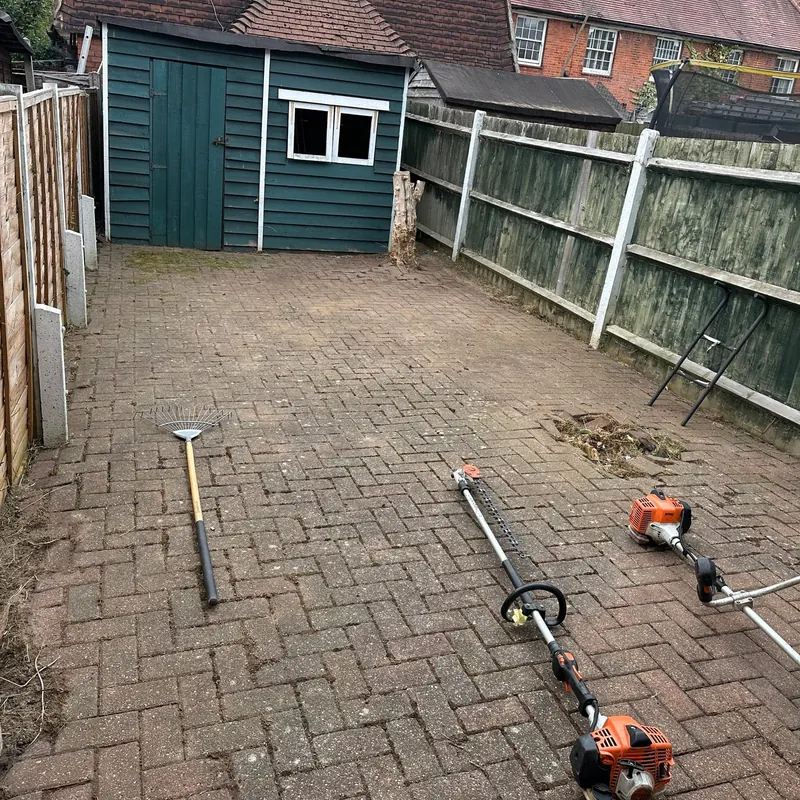
6 min read
What We Bring and What You Provide
Prepare the practical details of a visit: equipment access, clear priorities, water and power where relevant, and an agreed place for gathered material.
Open guide →